A small sample, a full-pattern image and a batch record answer different questions.
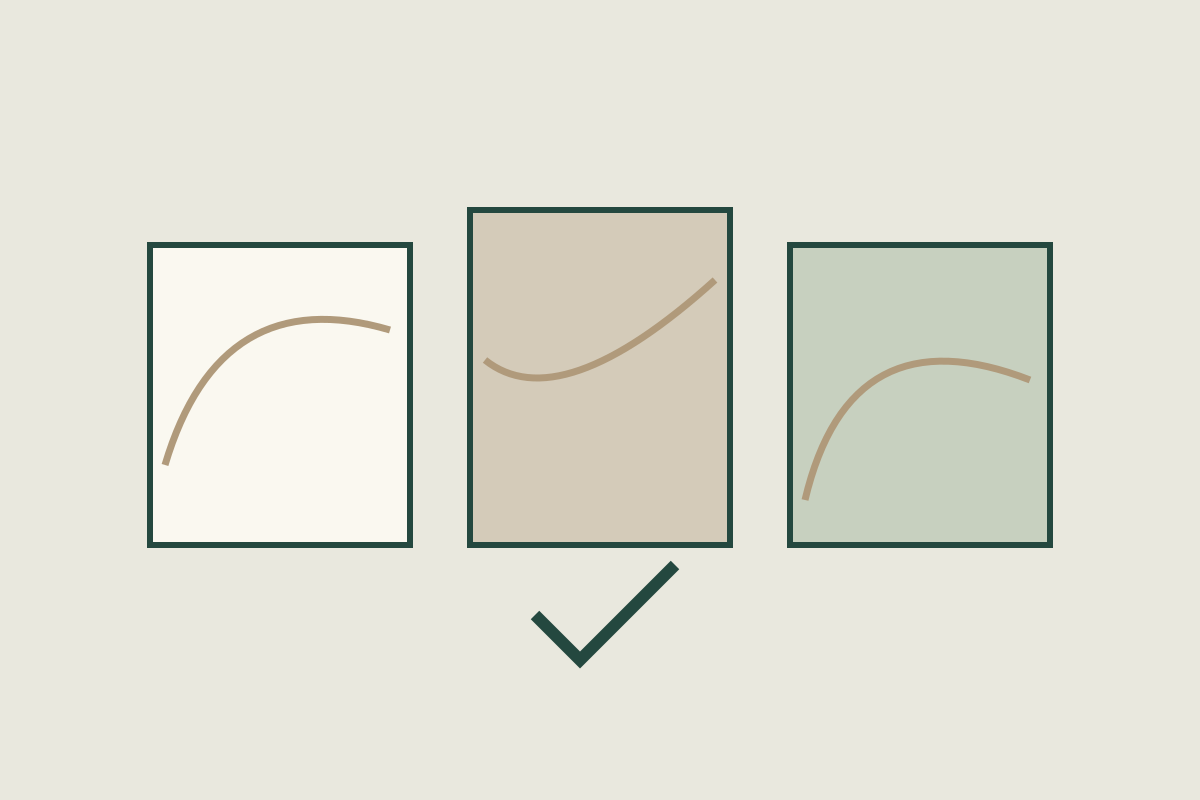
Planning illustration only; not a construction drawing or supporting evidence.
01
Use the right reference for each decision
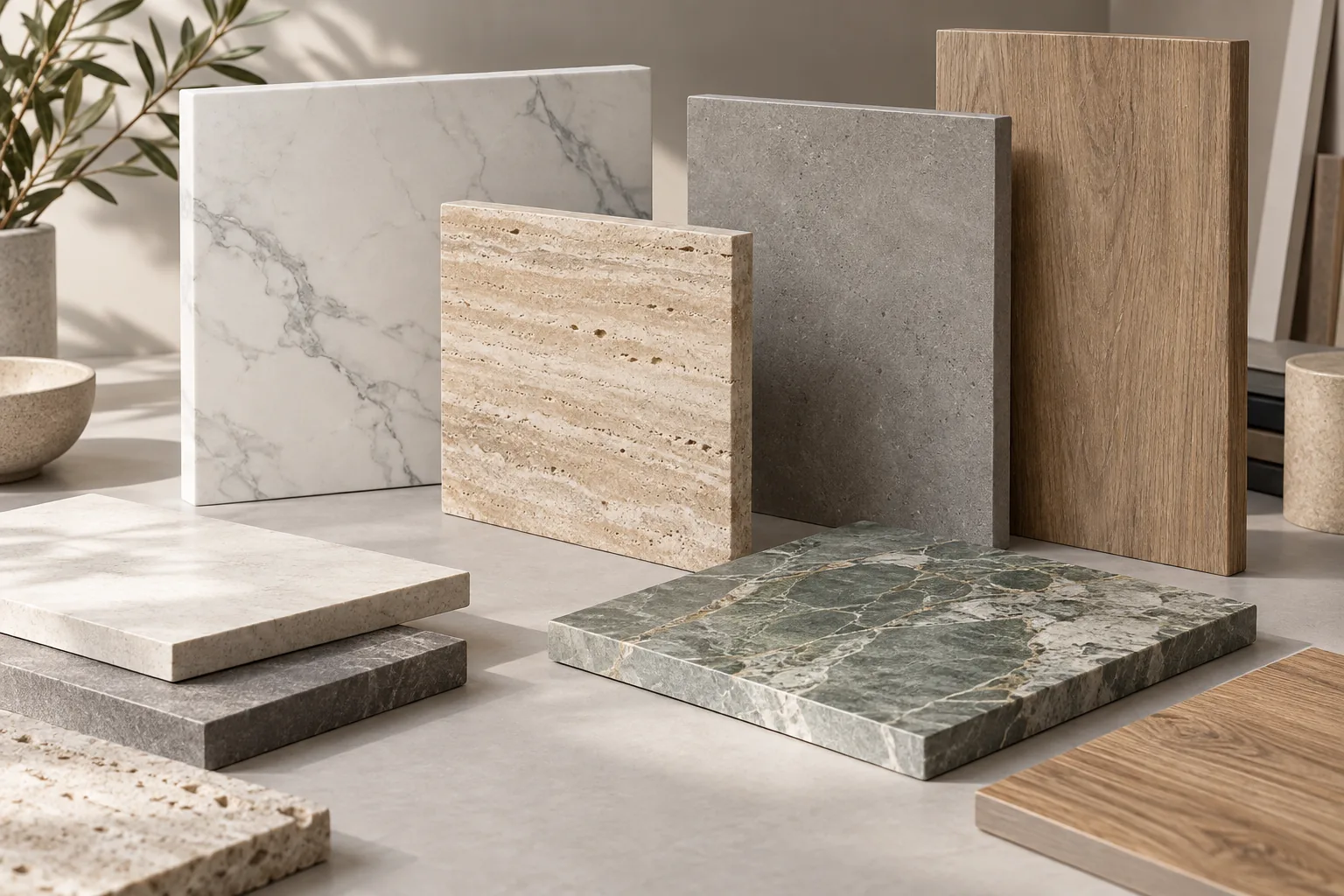
A sample helps review colour, texture and finish; a full-piece image helps review pattern scale and direction. Ask how the sample relates to the product you intend to order.
02
Record the approved reference
Keep the model name, finish, sample identifier and approval date together. If a project uses adjoining pieces, agree how the visual sequence will be checked.
03
Discuss repeat supply before ordering
Ask about batch identification, shade consistency and future replenishment. Retain order and sample references so the next enquiry can start from a clear record.
Build an approval chain that survives a repeat order
Appearance approval works best as a chain of evidence: what was viewed, what was accepted and which supplied material it represents. That chain becomes especially valuable when several people approve a project or a later delivery must coordinate with the first.
01
Label a sample before it circulates
A loose piece can lose its meaning once it moves between a showroom, design office and workshop. Attach the model, finish and sample reference, then note whether it is a general design sample or tied to a particular batch. Retain images of both its face and identifying label.
Keep the approval date and decision maker.
Separate accepted and rejected references.
02
Record the boundary of the approval
AI-generated design illustration; not a supplied product or completed project.
A small sample may approve the base tone and surface feel without approving a full slab composition. State which decisions remain open, such as vein position, adjoining faces or panel sequence. This lets the supplier respond to the outstanding visual question instead of repeating an already accepted step.
Describe acceptable variation in words as well as images.
List the views required for a full-layout approval.
03
Prepare for replacement material
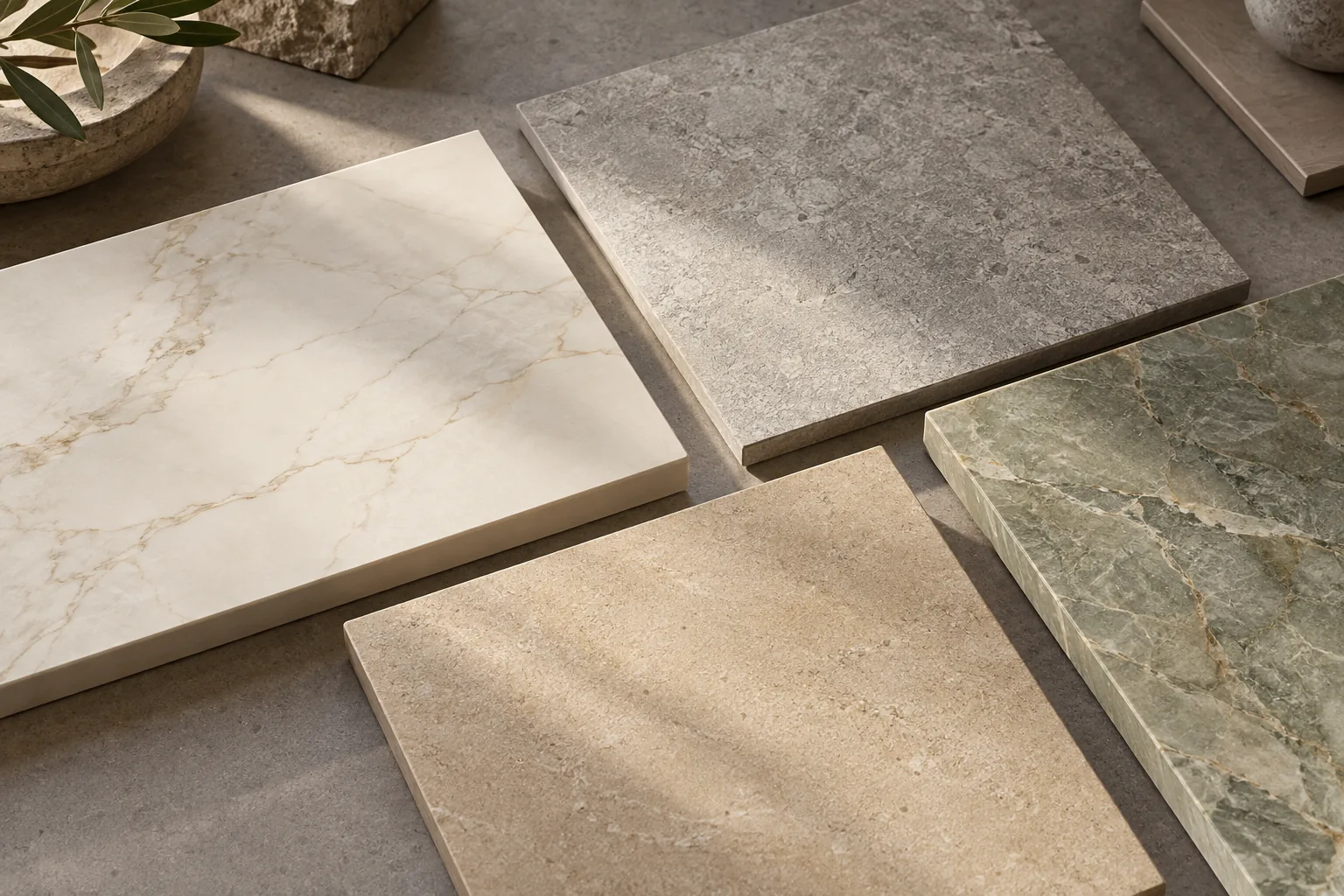
AI-generated design illustration; not a supplied product or completed project.
If future additions are likely, ask how the supplied material will be identified. Retaining extra approved material may be worth discussing, but quantity and storage remain project decisions. A saved model name alone cannot ensure that a later piece will appear identical beside an installed surface.
Retain labels from the received packages.
Connect spare material to its original room or installation zone.
04
Hypothetical exercise: separate colour acceptance from layout acceptance
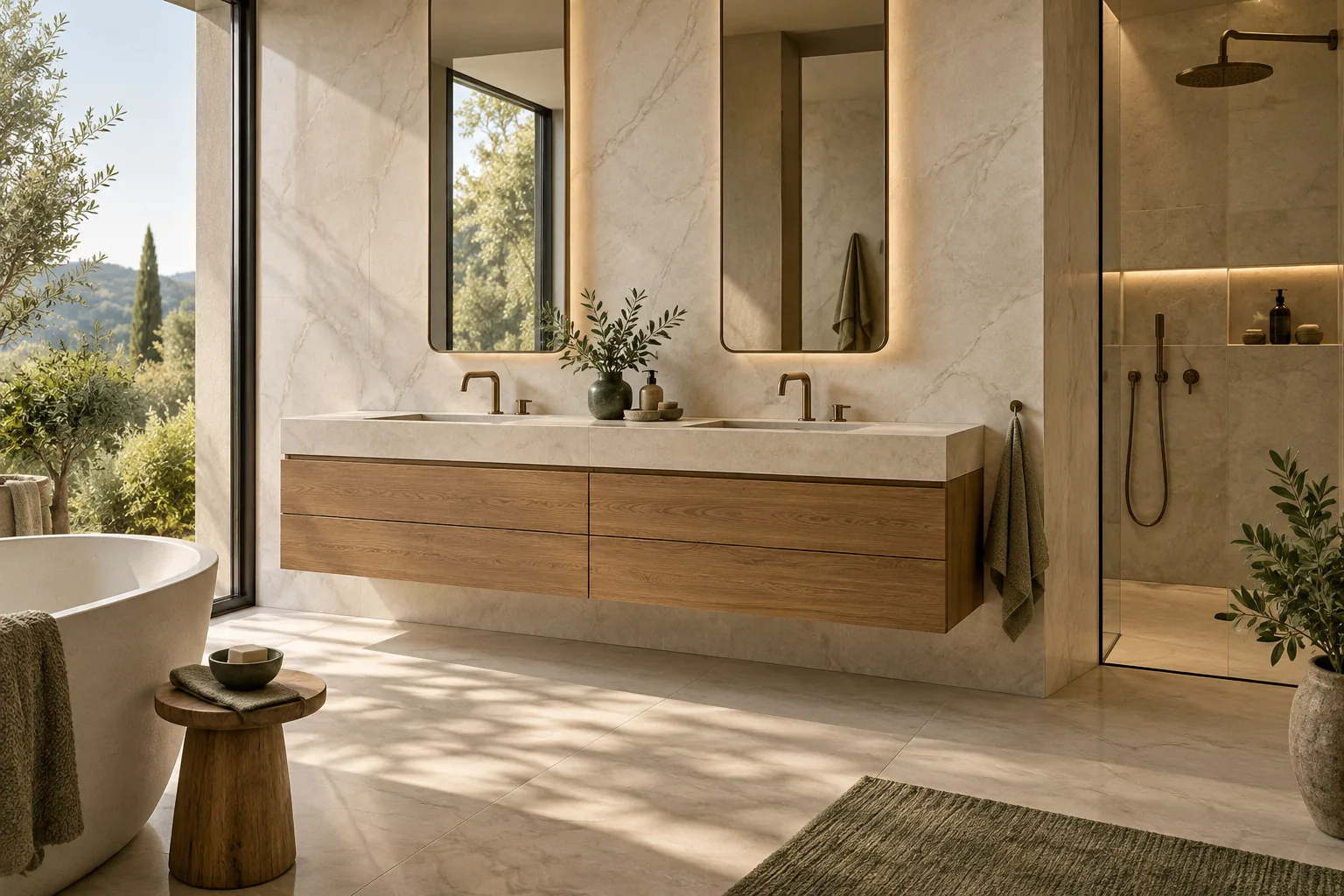
AI-generated design illustration; not a supplied product or completed project.
Imagine a buyer approves the warm base tone and matte feel of a small sample for a two-part reception desk. Later, full-slab photographs show a pronounced dark vein crossing the proposed joint. The earlier sample approval does not necessarily resolve that composition. Keep the existing acceptance for base tone and finish, then create a separate open item for the vein position at the joint. Ask for a labelled proposed layout showing both finished parts on the selected full-piece images. Have the authorised reviewer confirm whether the visual transition is accepted, requires different face placement or remains unresolved. Record the response against that layout revision rather than overwriting the original sample note. This invented exercise illustrates how a single “approved” status can conceal several different appearance decisions. It is not a completed project or a promise that a matching face or alternative batch is available.
Write exactly which attributes the sample approved and which require a larger view.
Retain the accepted full-layout revision with the sample identifier and later package references.
A PRACTICAL BUYER’S REFERENCE
What each reference can establish
What each reference can establish
Reference
Useful for
Does not establish alone
Physical sample
Feel, sheen and local colour
The entire pattern composition
Full-piece image
Vein direction and visual zones
Exact colour under site lighting
Batch/package record
Traceability of supplied material
Acceptance of every visible piece
From sample approval to batch reference
Questions buyers ask
Can I approve colour from a phone photograph?+
Use it to discuss a direction. Camera exposure, screen settings and lighting can change apparent colour; retain an agreed physical reference when shade is critical.
What should happen when the approved model changes?+
Identify the changed field and request a new approval for affected appearance or performance decisions. Keep the replacement reference separate from the earlier acceptance.
LET’S START A CONVERSATION
Your next project
starts with a surface.
Tell us what you are sourcing. We will help turn your requirements into a clear product enquiry.