
WALLS & FLOORS · COORDINATED COLLECTIONS
Wood look · Porcelain tiles
Wood-effect tiles translate a timber-inspired grain into repeated ceramic pieces. The impression depends on plank proportions, stagger, face distribution and the colour of the joint. Compare a real multi-piece layout before deciding whether the result should feel ordered, rustic or quietly continuous.

11 matching surfaces
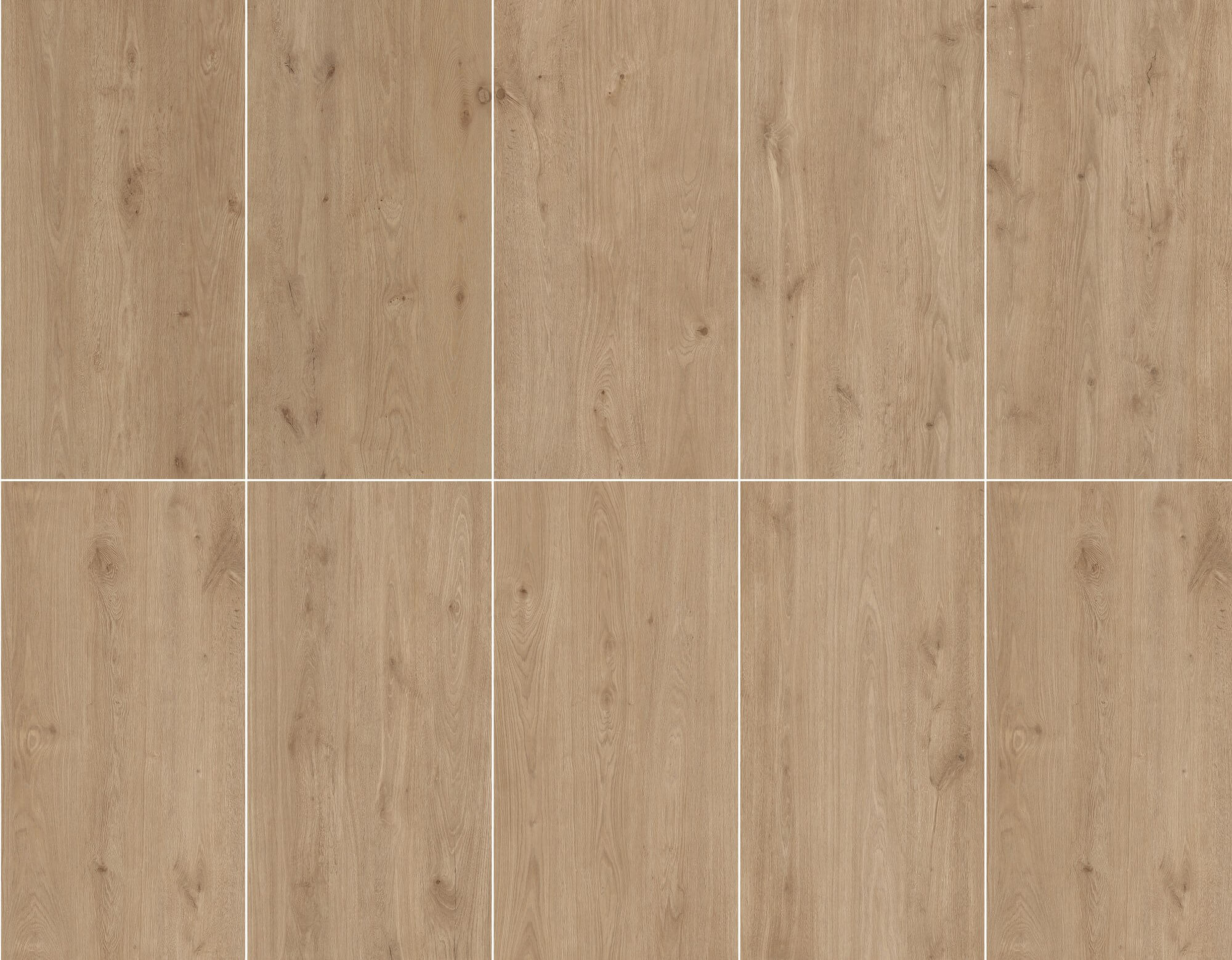
青野橡浅
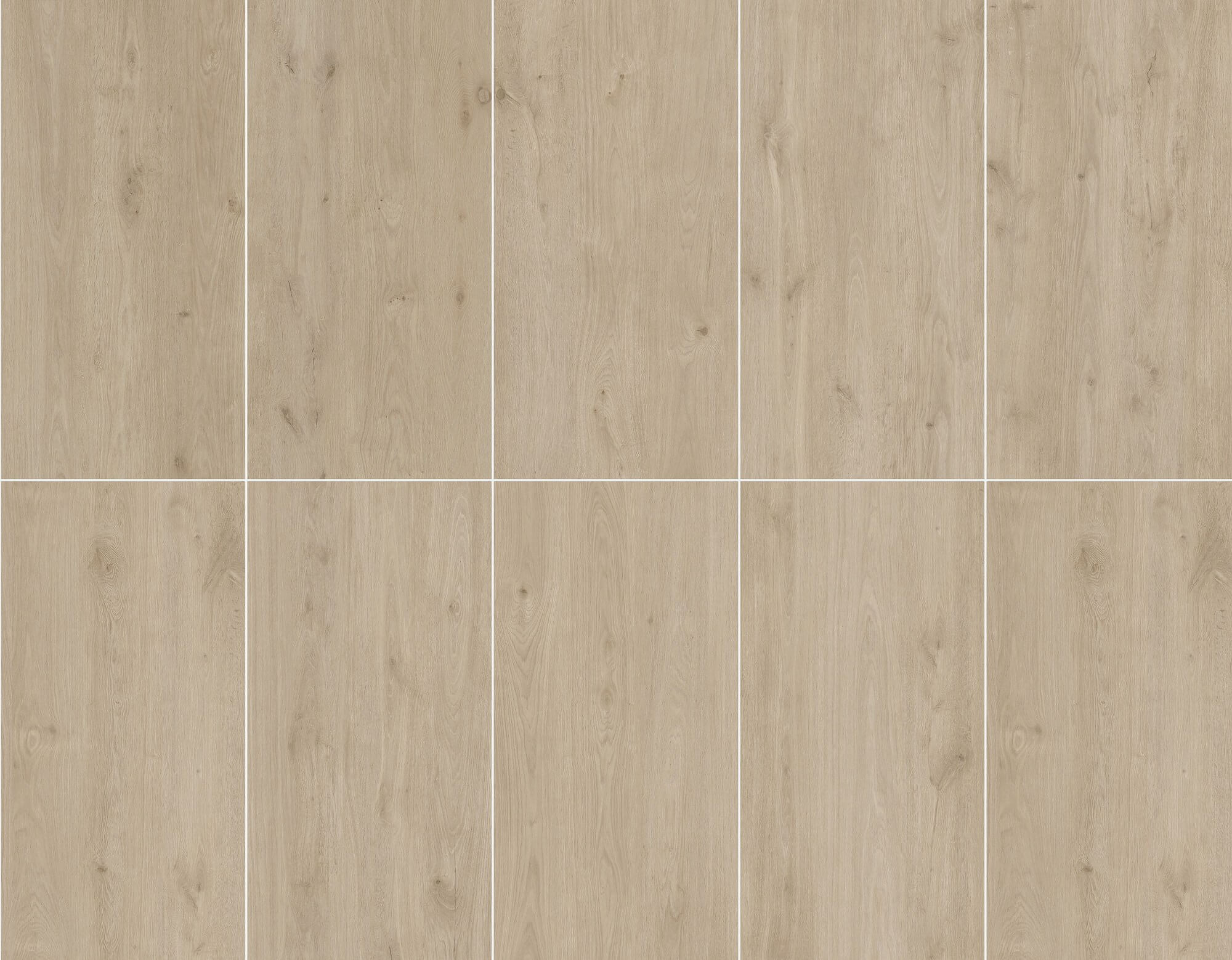
青野橡白
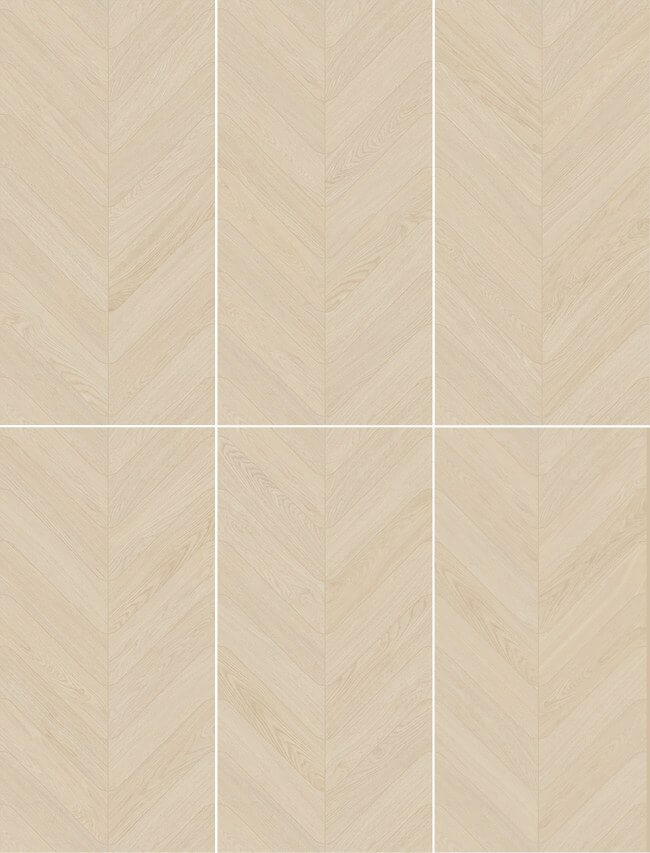
云羽浅杏
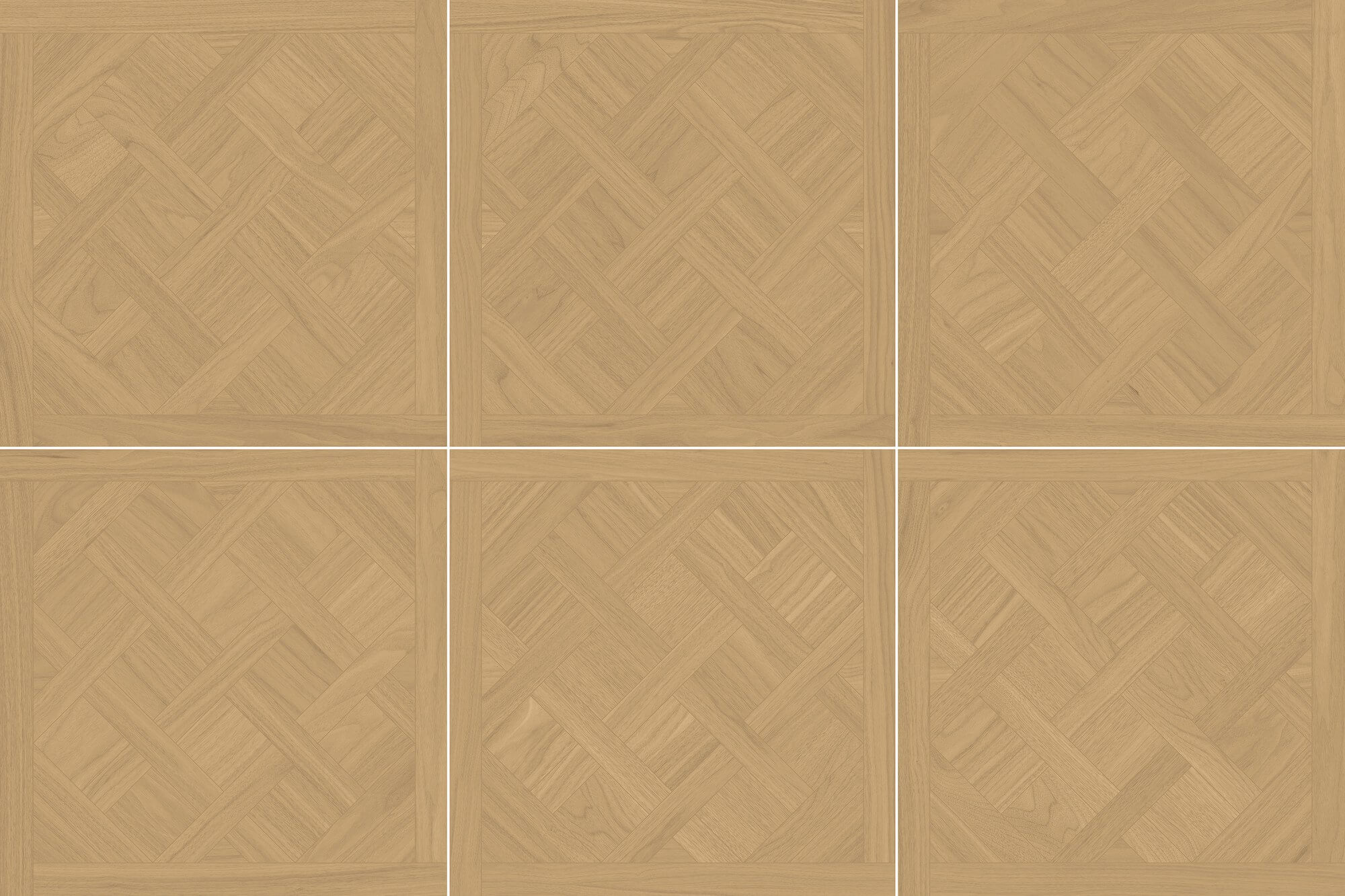
菱阁胡桃・米浅
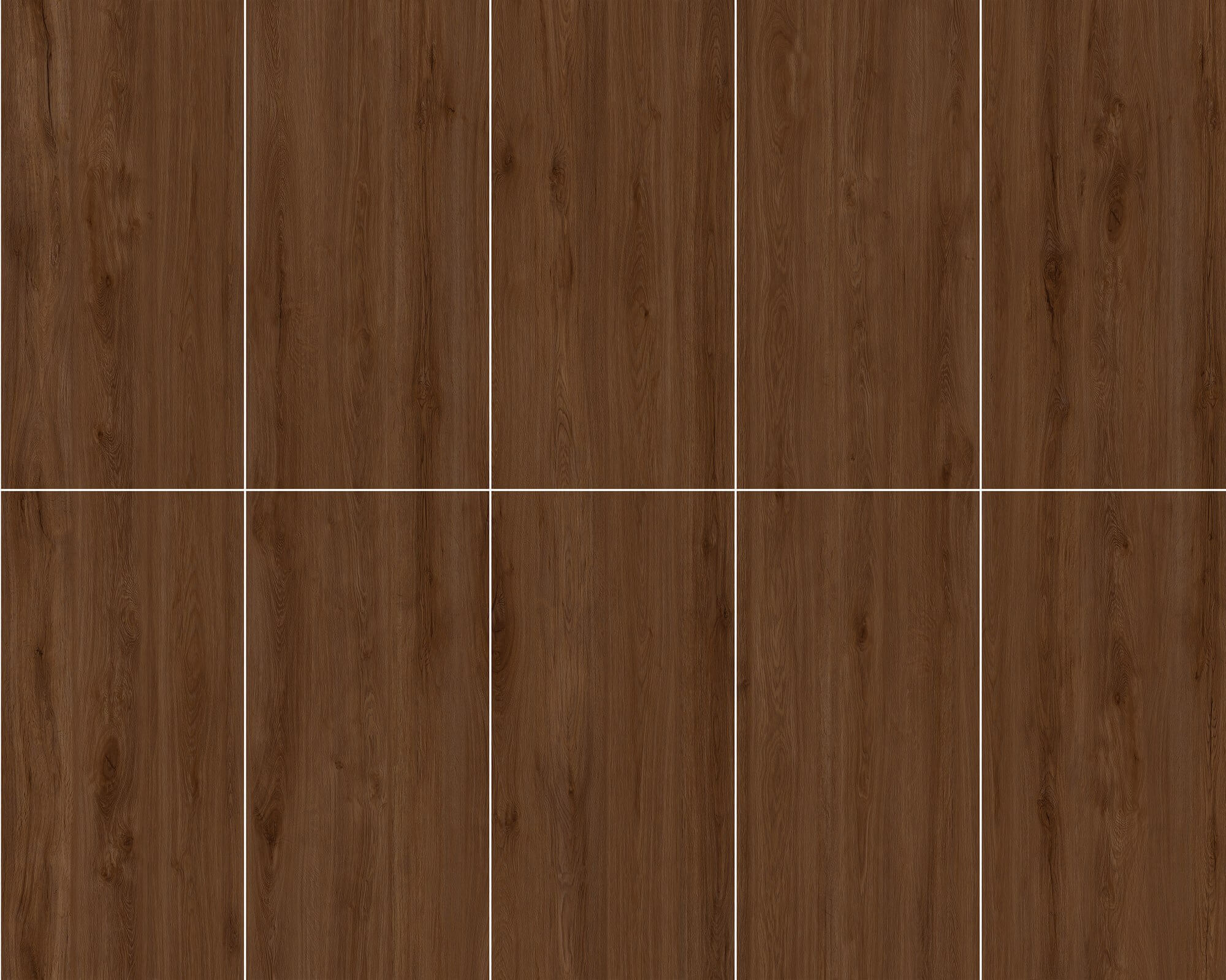
麓野檀橡
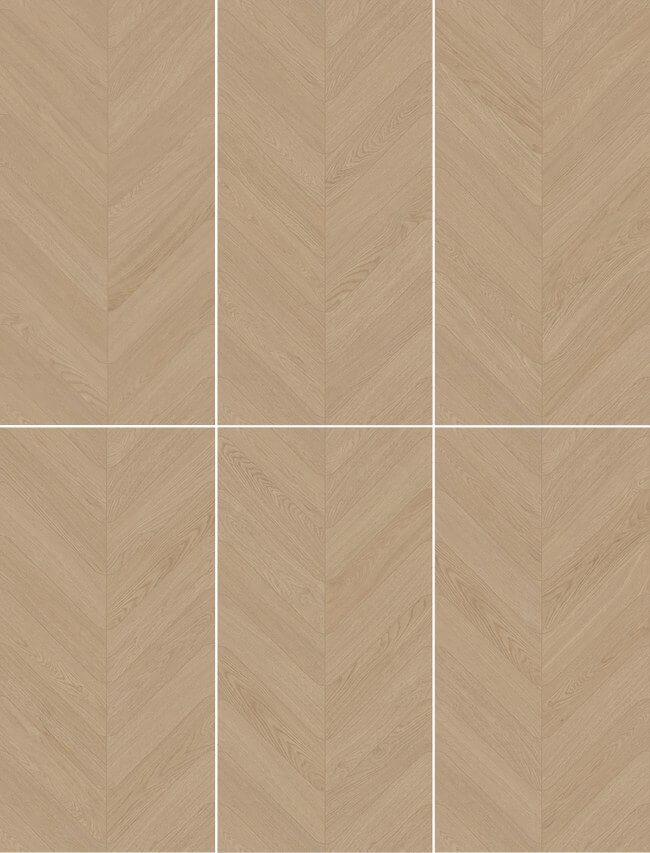
云羽温榛
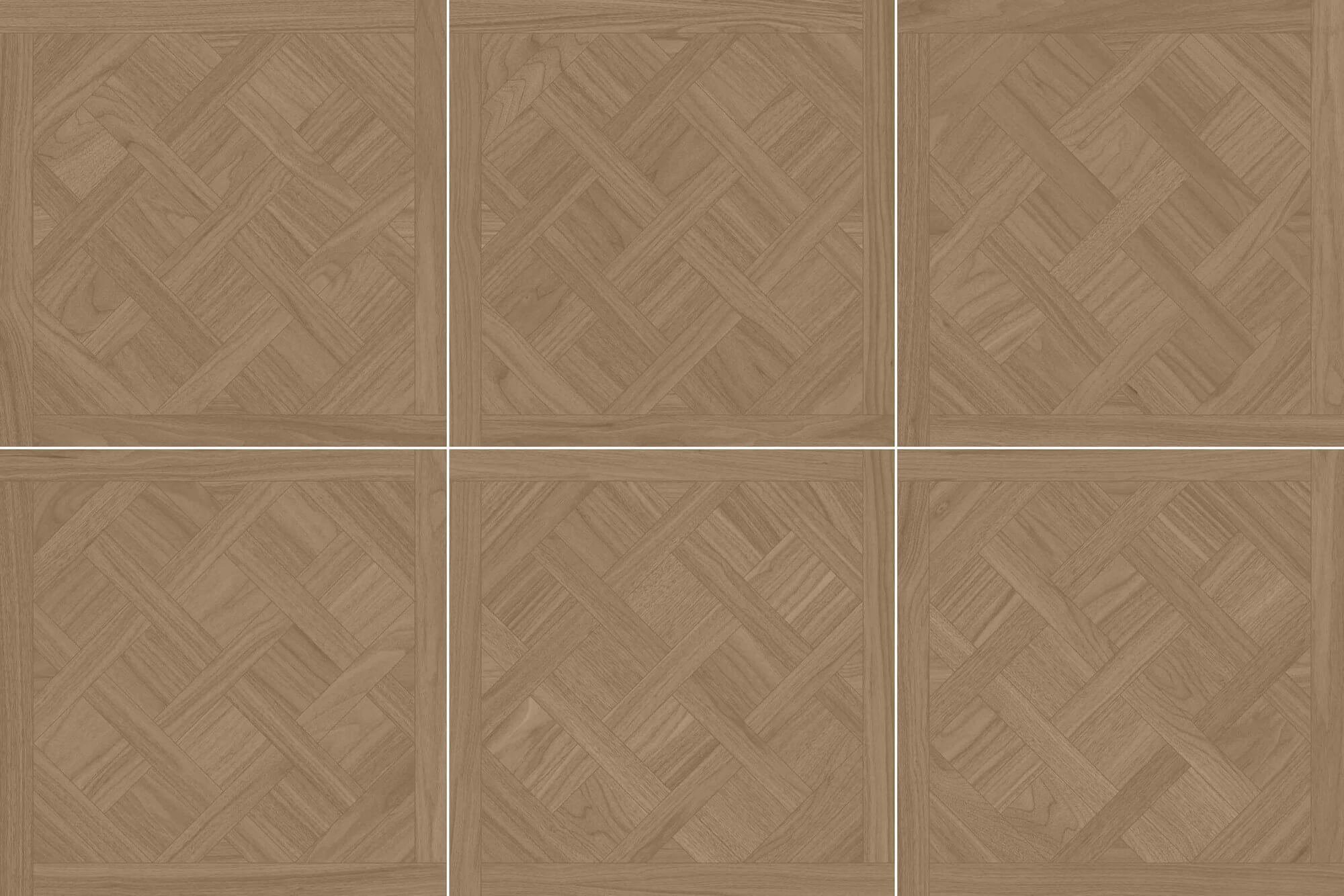
菱阁胡桃・灰素
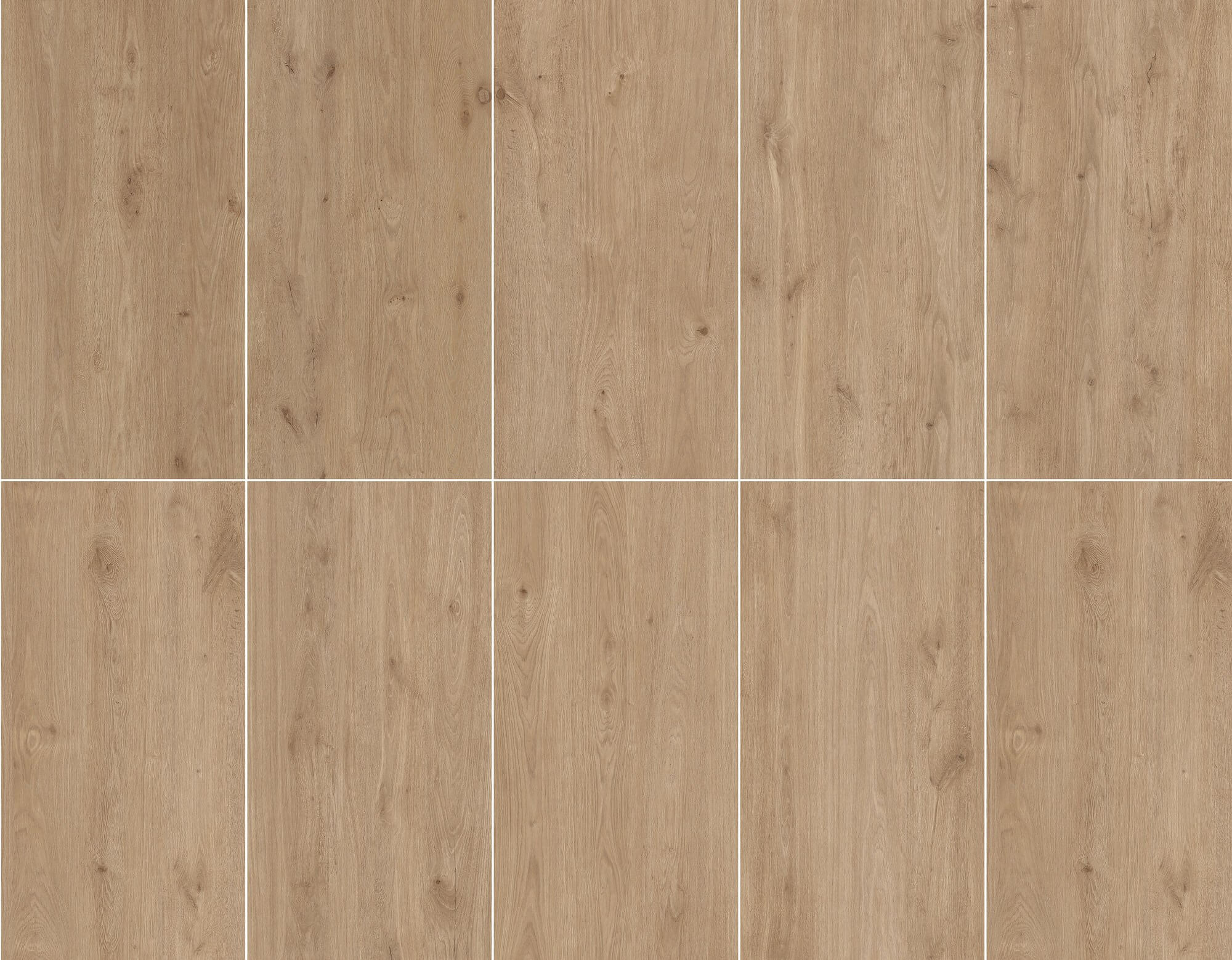
青野橡浅
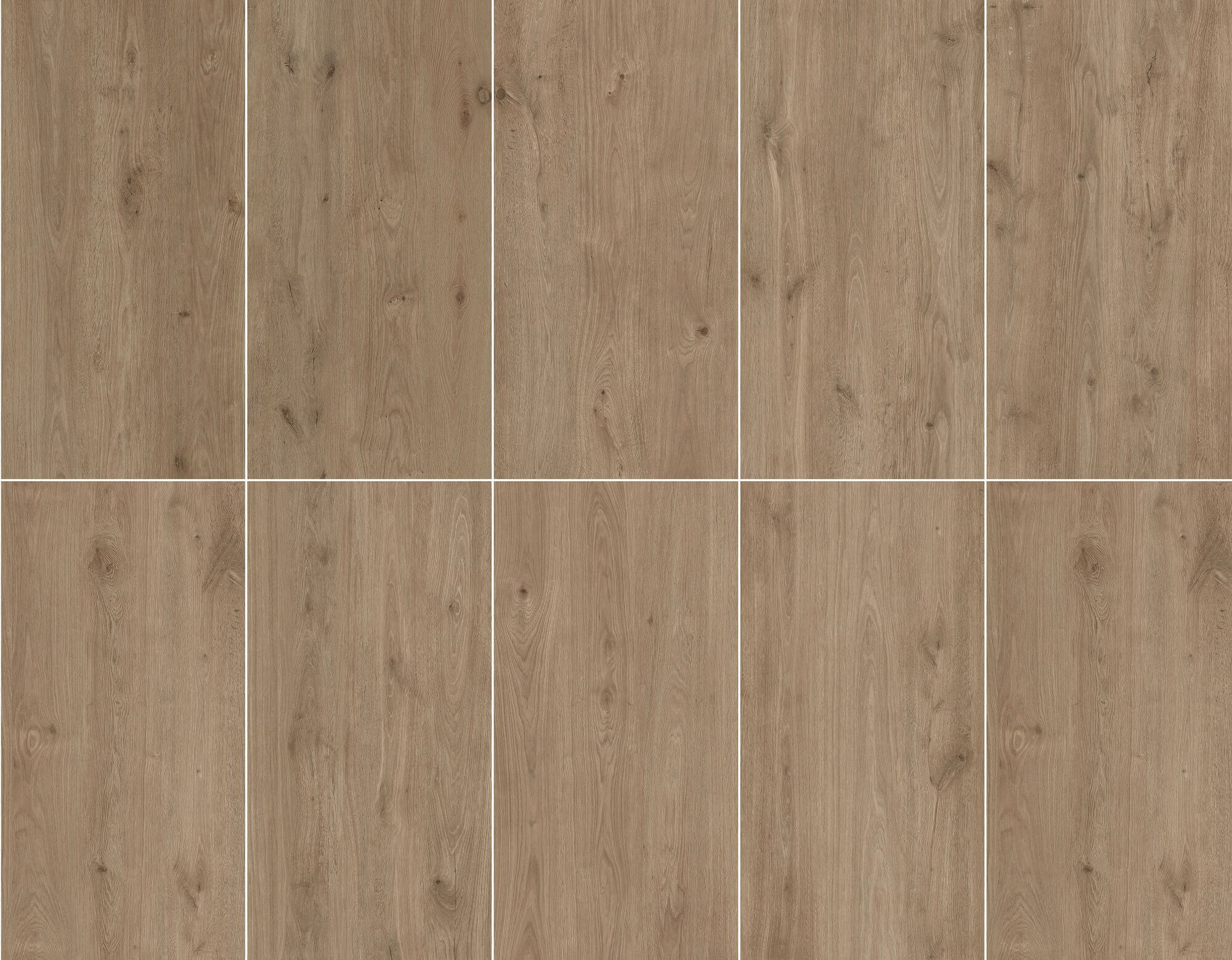
青野橡棕
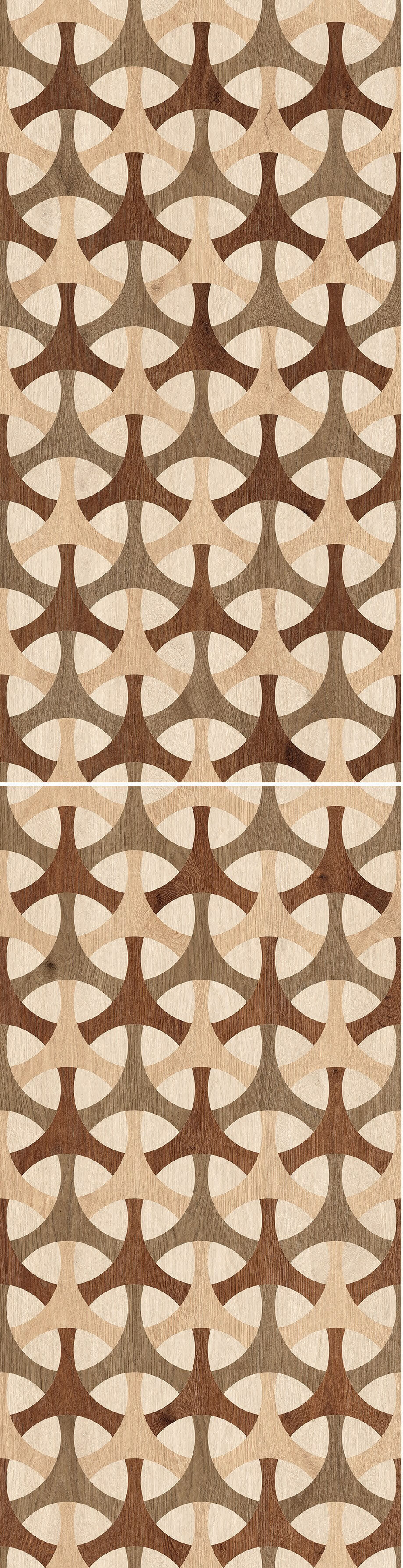
鼎纹木序
Sample collectionNatural Oak
No matching products. Try another search or look.
MATERIAL EDIT
Wood-look porcelain: the laying pattern changes everything
Specify a stagger instead of asking for random laying
A running pattern needs an agreed offset and a review of the actual tile geometry. Long narrow pieces can make alignment issues more visible. Ask the installer to determine a suitable arrangement from the product guidance and site conditions; a promotional photograph is not a setting-out instruction.
- Draw the intended offset sequence.
- Distribute repeated knots and dark grain features.
Choose the direction from the room, not the sample board
Following a long wall, an entrance axis or a change of room can lead to different results. Plan the junction between spaces and the treatment at thresholds. Review the grout against the main grain colour so the floor reads as the intended composition rather than a set of outlined strips.
- Mark the main room axis.
- Check cut widths beside both long walls.
Distinguish a decorative pattern from the tile shape it requires
Herringbone and chevron are sometimes used interchangeably in a buyer’s mood board, although their piece shapes and junctions are different. Begin with a drawing of the intended pattern, then confirm whether it is made from the selected rectangular tile or requires a separately reviewed cut shape. Show the border and the connection to the adjoining room, because decorative laying can create a different set of perimeter pieces from a simple running layout. The enquiry should identify the desired result without assuming that every wood-look model can be supplied as every decorative shape. Have quantities and cutting requirements reviewed against the actual selected format and approved pattern.
- Include a drawing of the requested decorative layout.
- Identify supplied shapes separately from any proposed cutting operations.
MATERIAL EDIT
Wood-look porcelain: the laying pattern changes everything · Selection notes
| Decision | Review | Record |
|---|---|---|
| Stagger | Offset and actual piece geometry | Installer-reviewed layout |
| Grain repetition | Knots and recognisable markings | Face distribution |
| Room axis | Direction and threshold transition | Floor plan |
Wood look · Porcelain tiles
Questions buyers ask
Can wood-look tiles be laid with any offset?
Do not assume every offset is suitable. The selected product’s guidance, tile geometry and installation conditions should inform the layout.
Should the grout match the darkest grain?
Not automatically. Compare the joint with the dominant background as well as the dark detail; each choice changes how strongly the individual pieces are outlined.
LET’S START A CONVERSATION
Your next project
starts with a surface.
Tell us what you are sourcing. We will help turn your requirements into a clear product enquiry.