
LARGE FORMAT · DESIGN FLEXIBILITY
Sintered stone
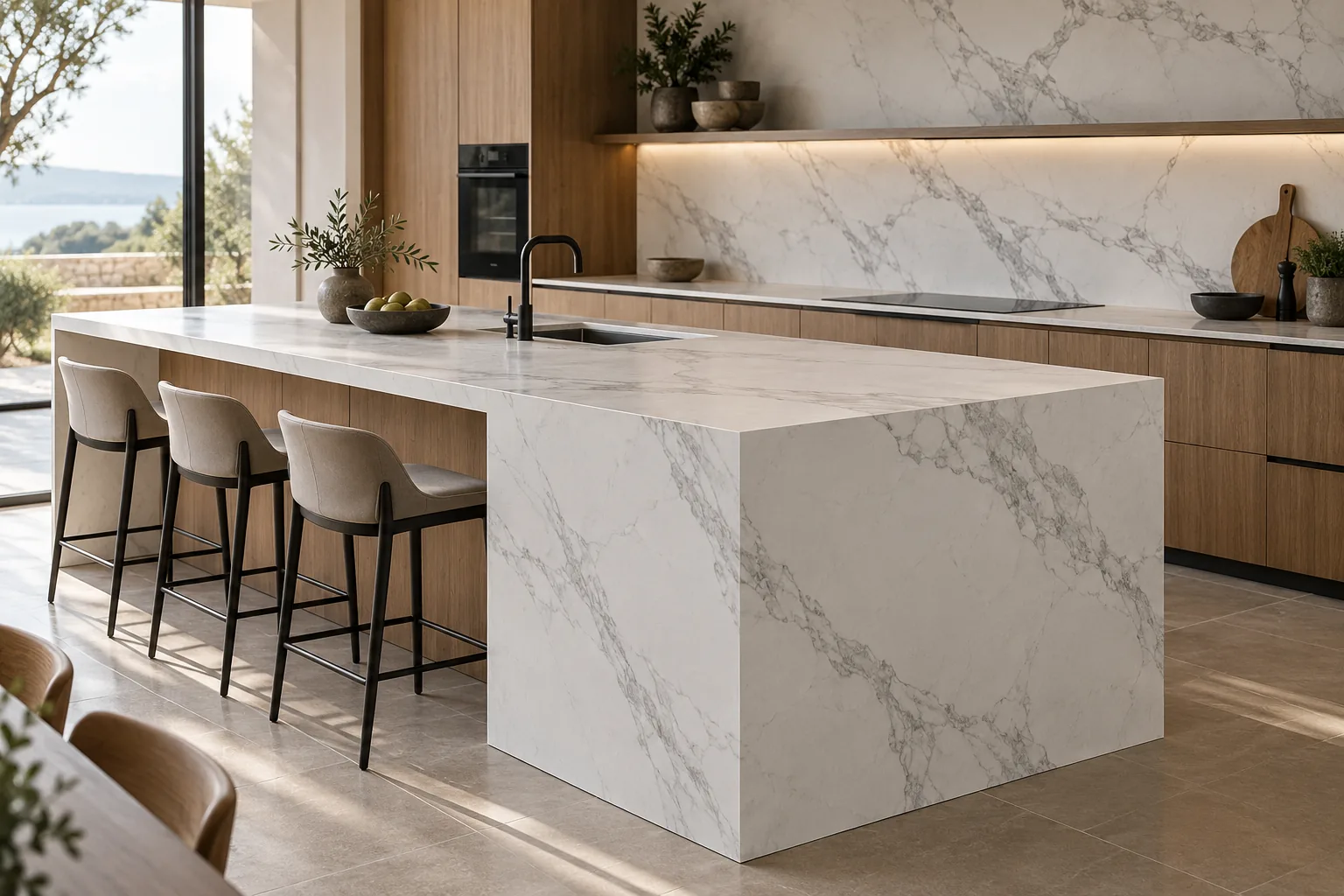
A sintered stone range is easier to evaluate when the design, full-piece image and intended fabricated part are considered together. This collection is the place to compare visual directions; individual model pages hold the published product references. Think about the size of the finished surface before choosing how strongly a pattern should move.
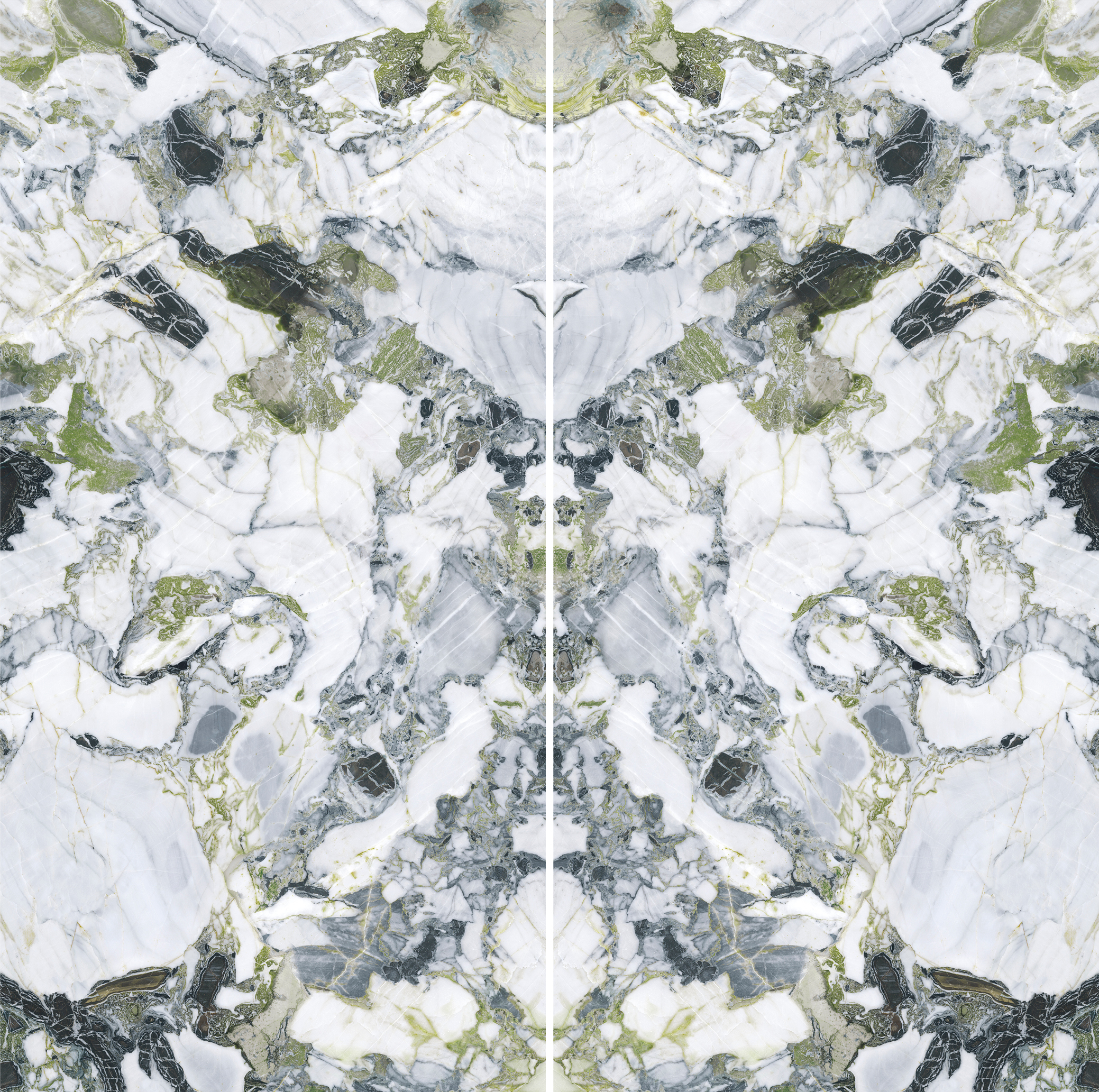
32 matching surfaces

绿蝴蝶
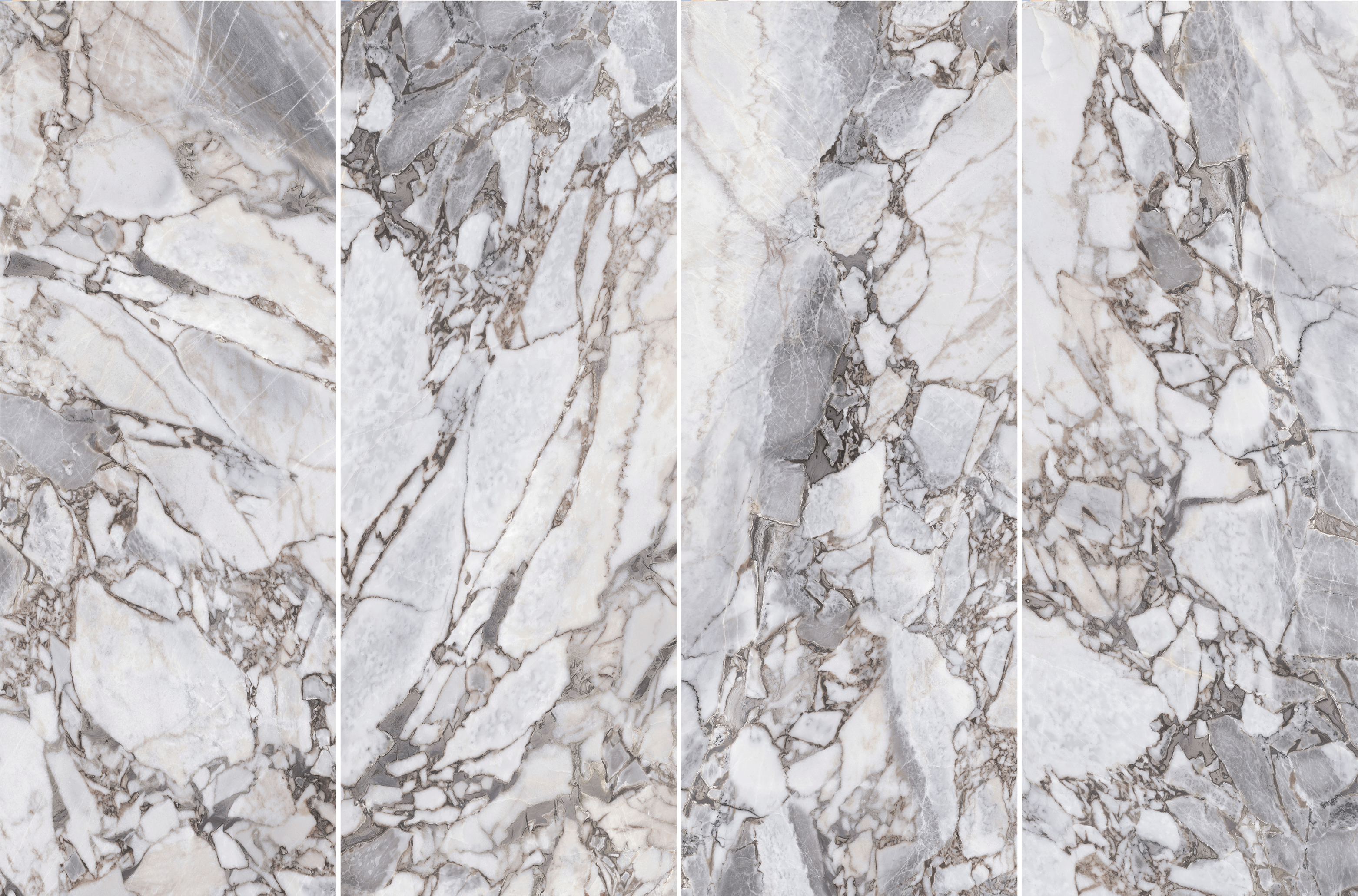
冷翡翠
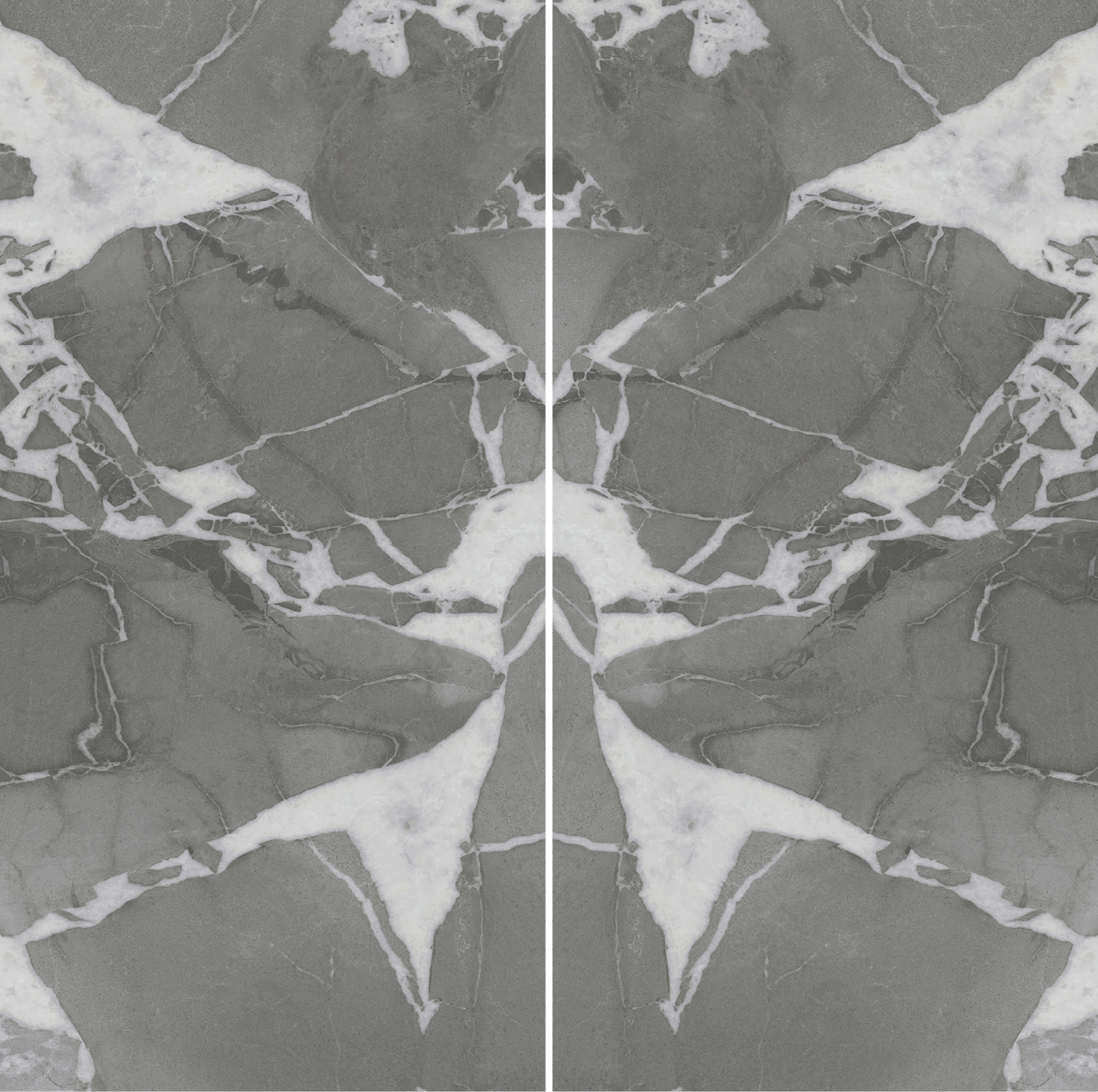
宝格丽蓝
宝格丽灰
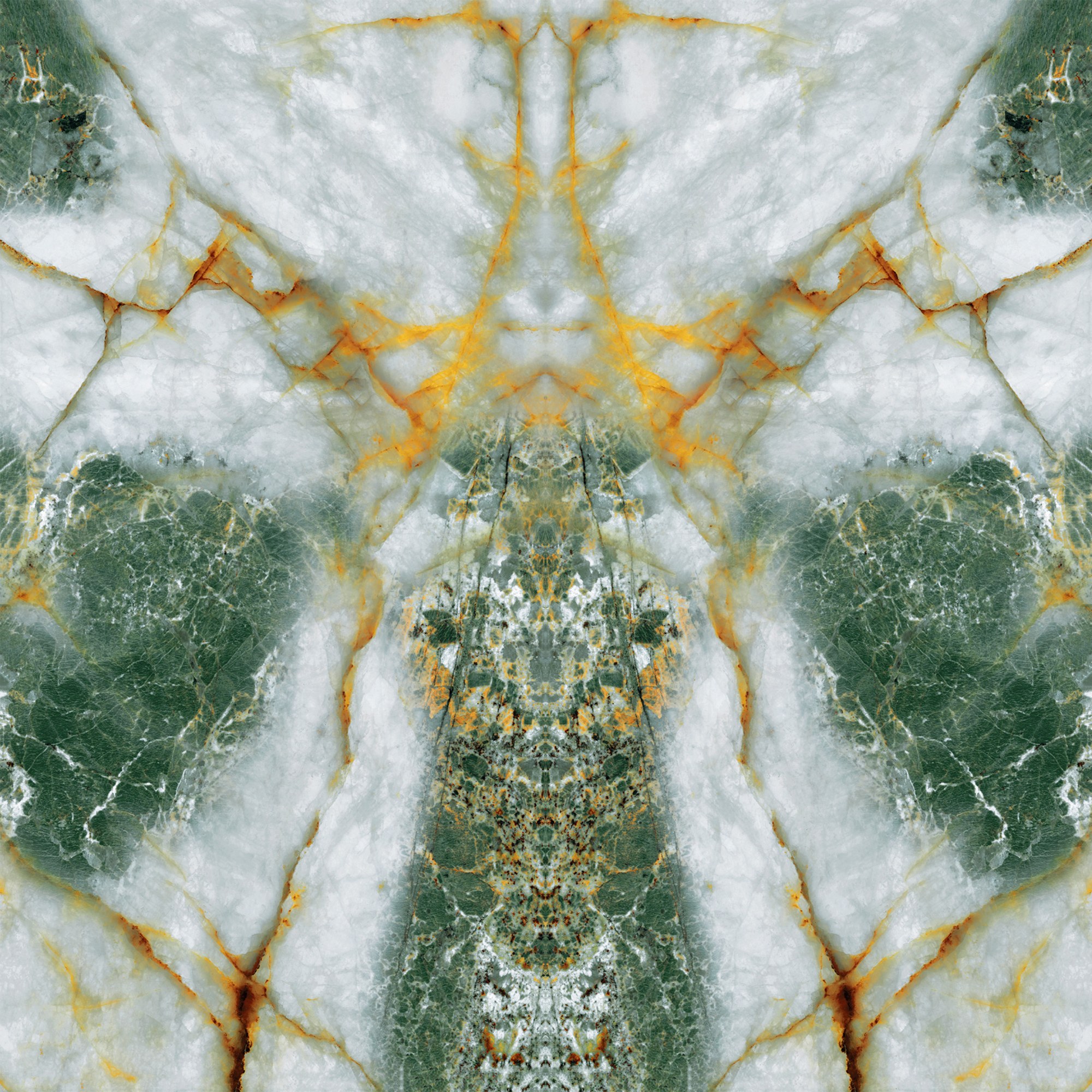
蓬莱仙韵

梦幻金澜
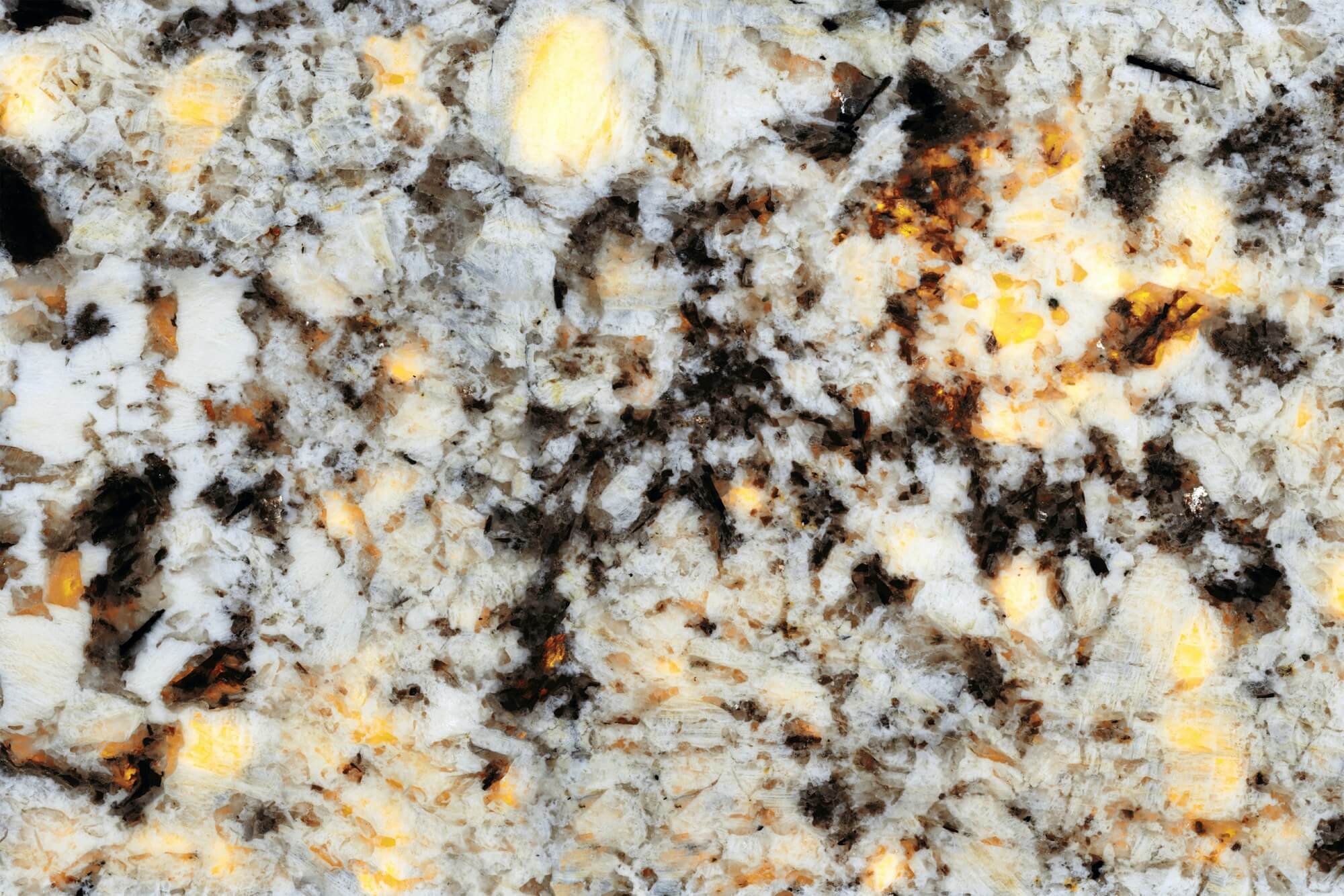
淬金雪岩
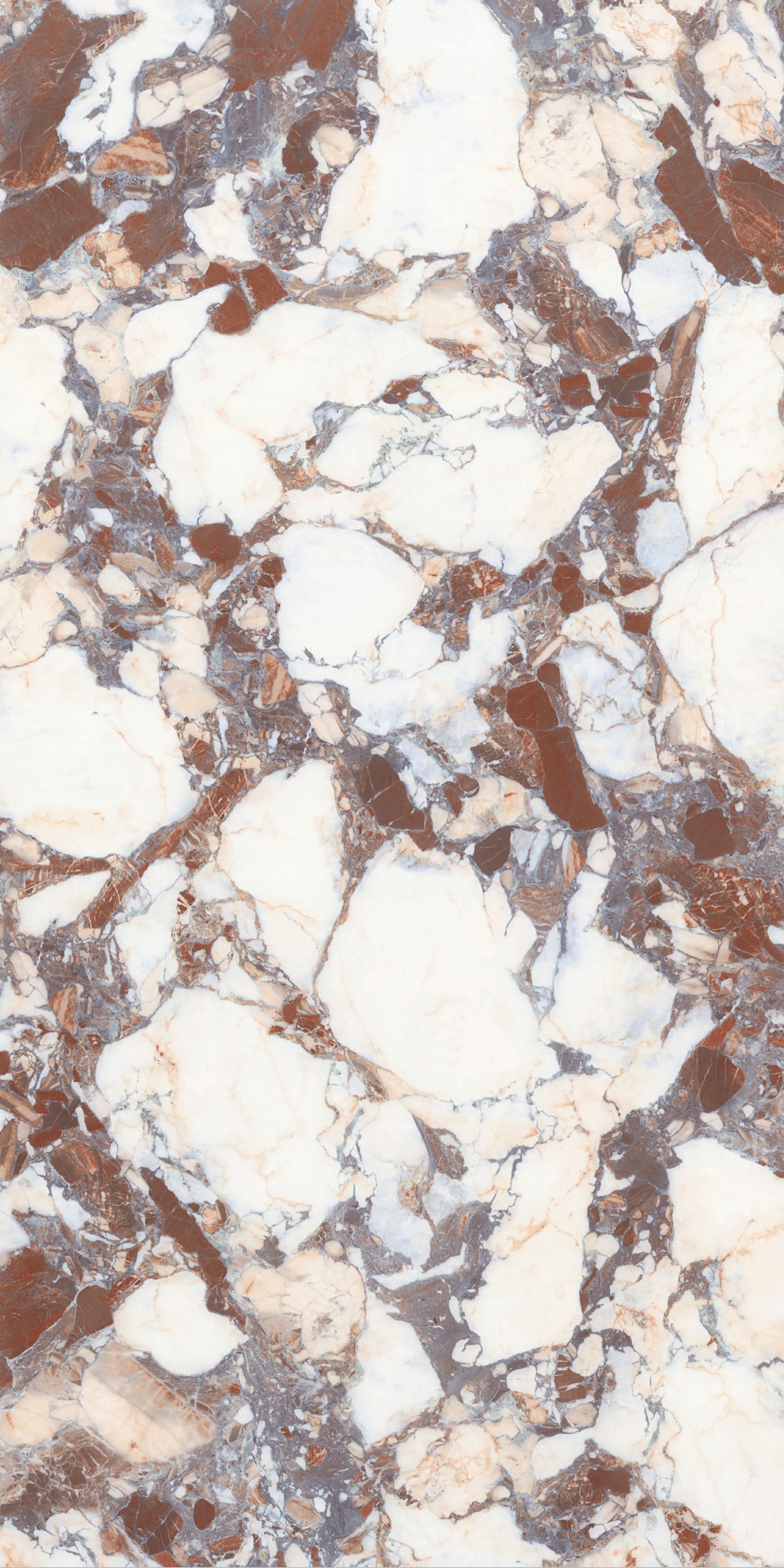
巴宝莉紫

雪域潘多拉
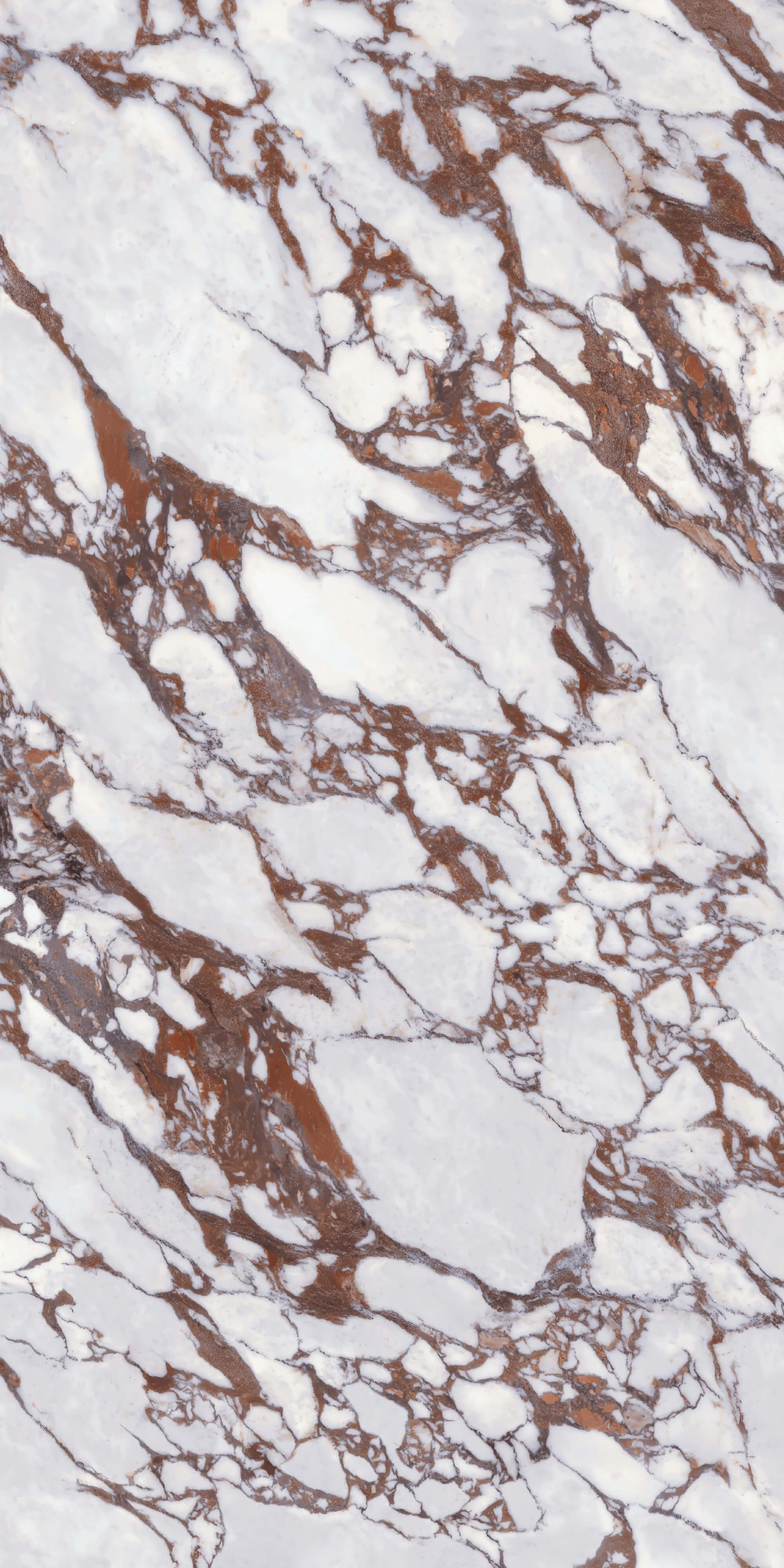
宝格丽紫

顶级四季绿

四季绿洲

极品古驰红
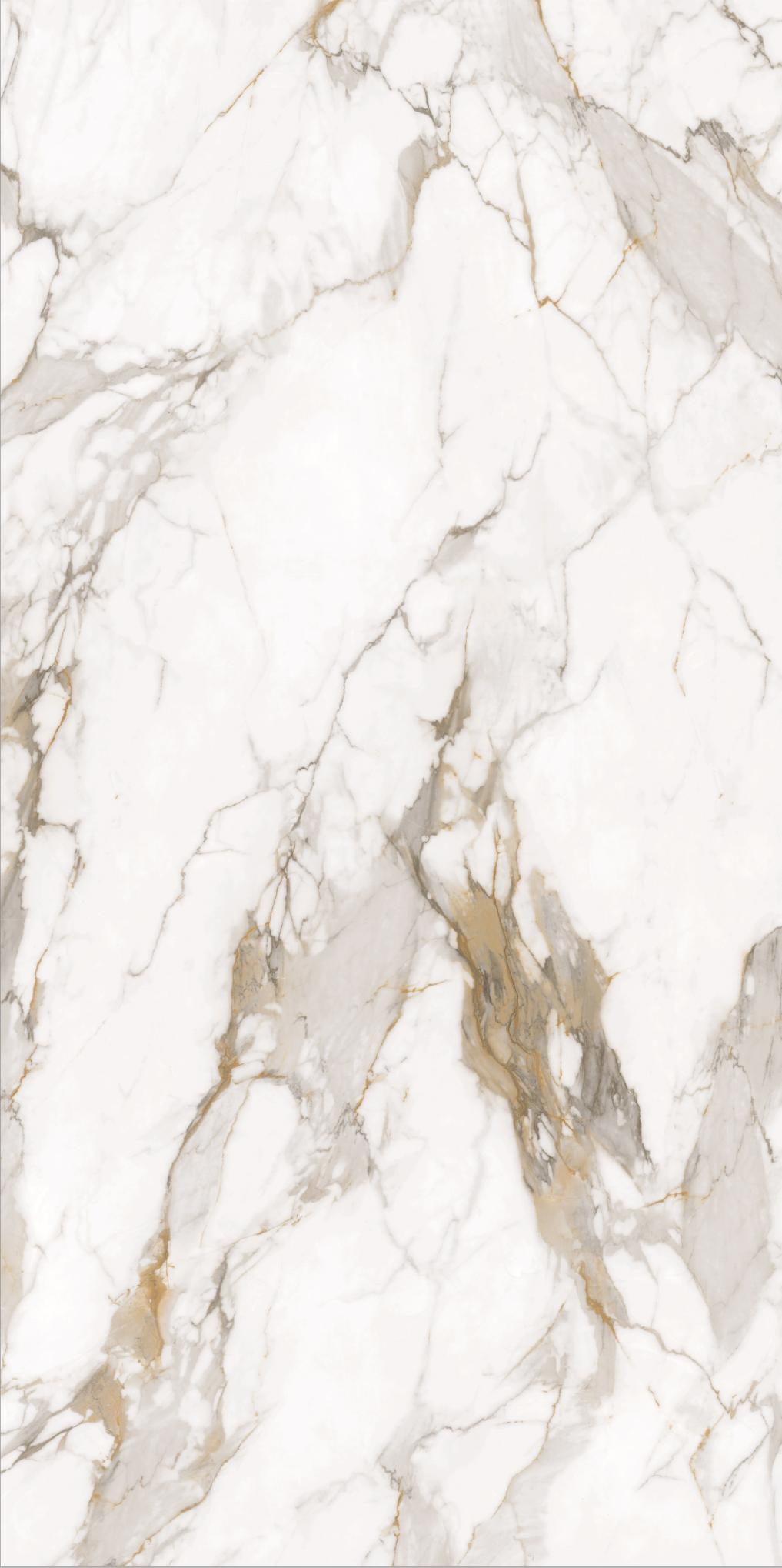
顶级鱼肚金

细花白
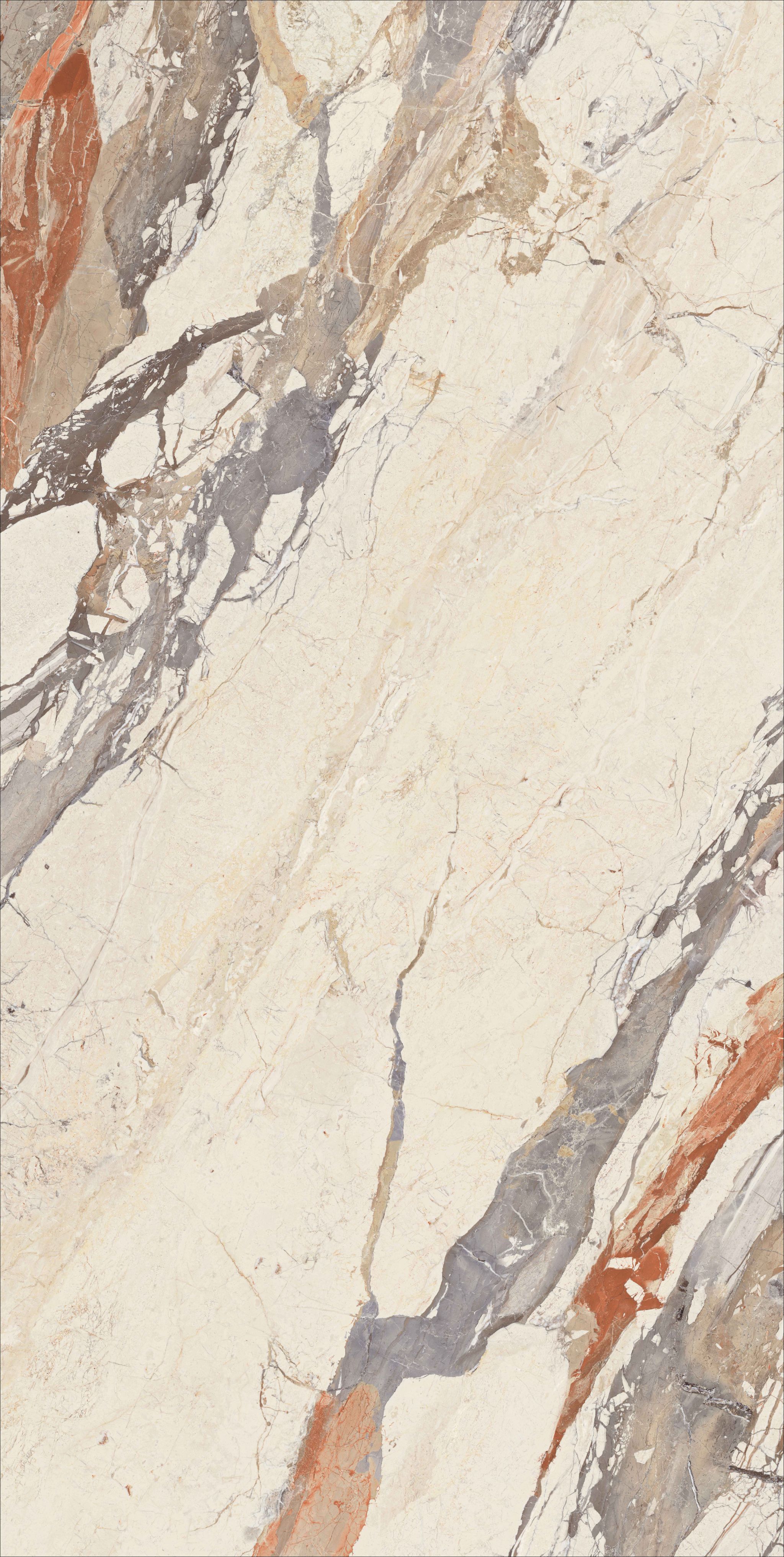
凤凰

蒂沃利黄洞

黑金石

黑骑士

澳洲深灰砂岩
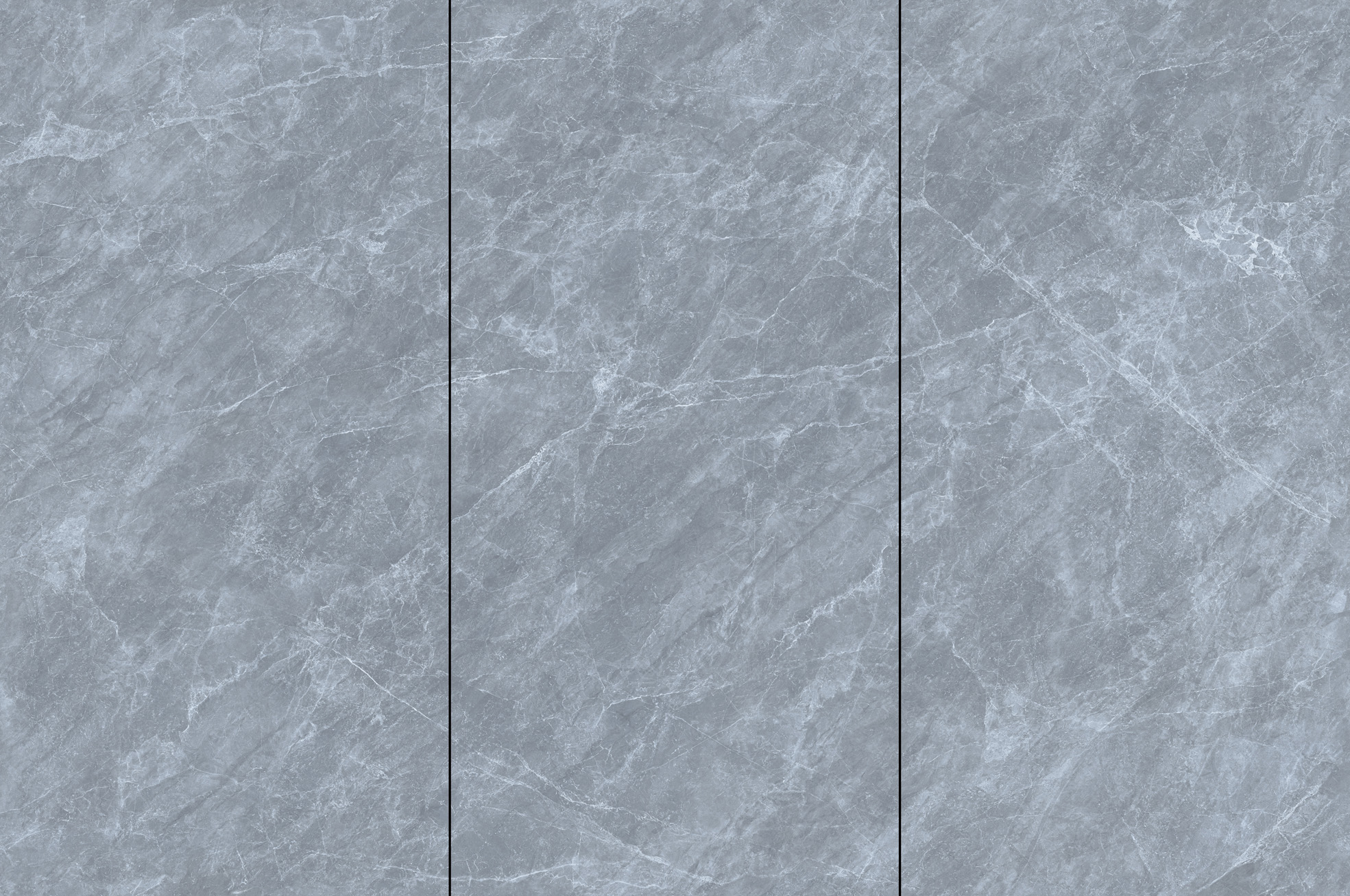
巴萨中灰
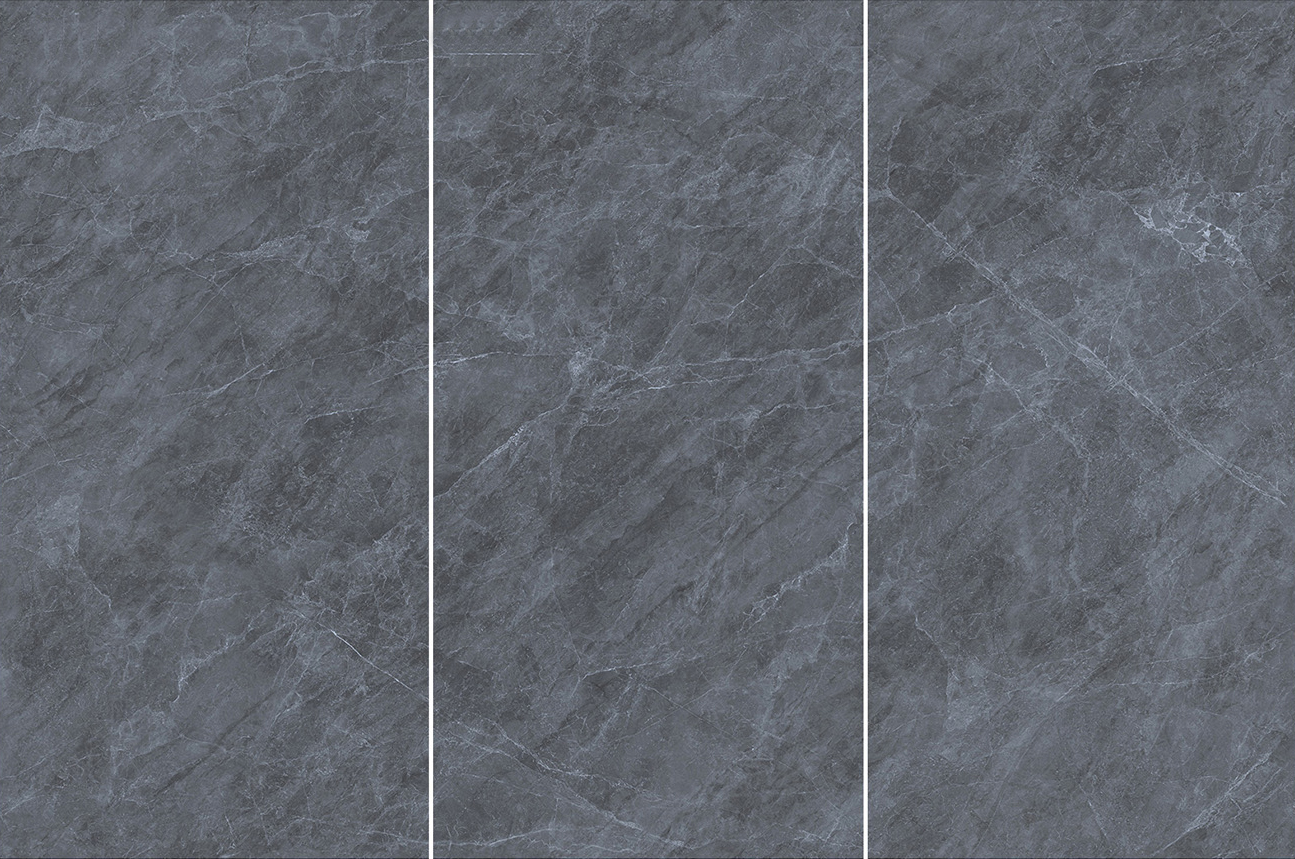
巴萨深灰

罗夫尼白玉

巴宝莉
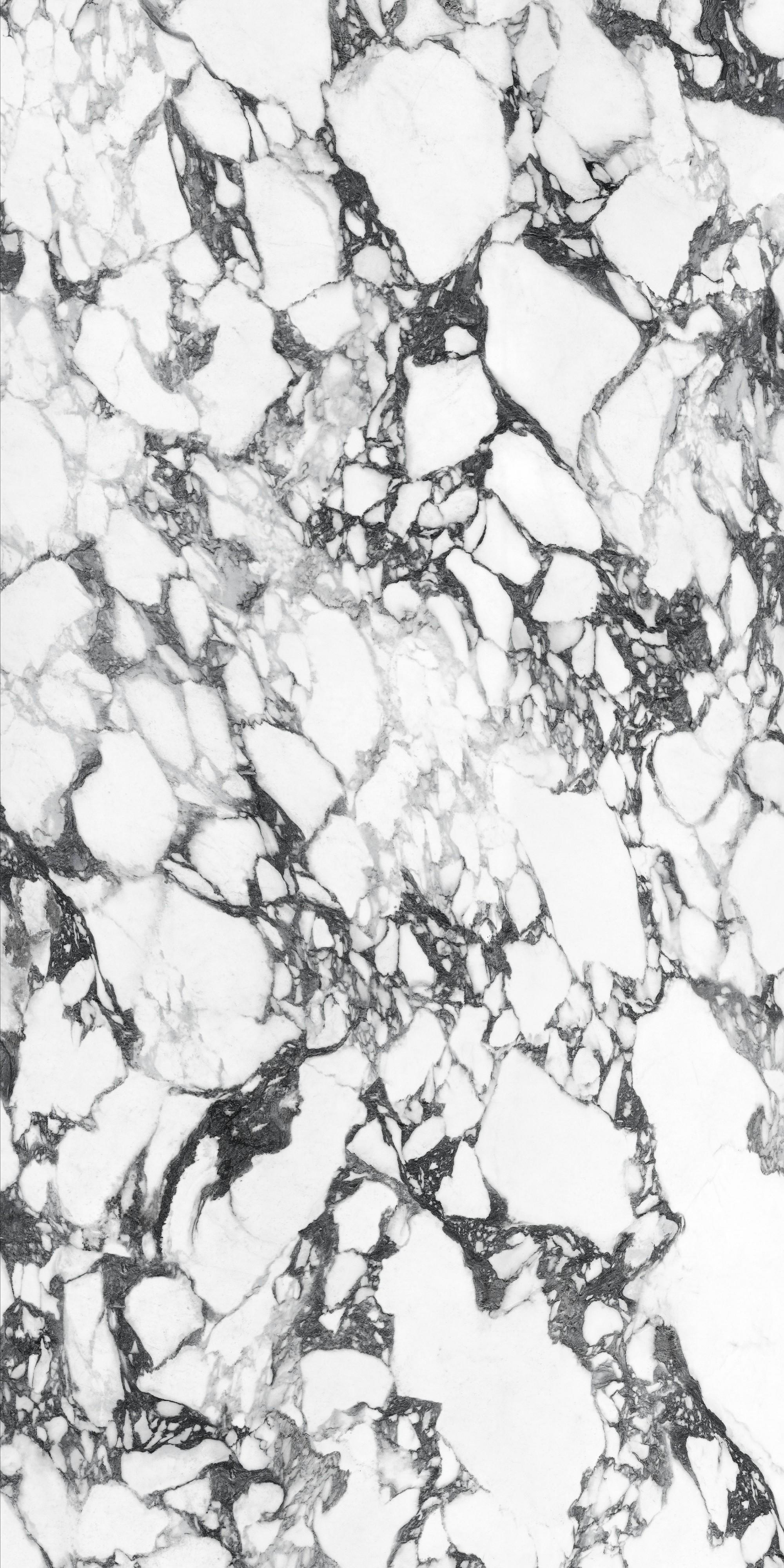
新宝格丽白

迪尔

幻影白

香奈儿潘多拉

夏威夷米白

夏威夷米黄

夏威夷米灰

交织印迹·古青绿
No matching products. Try another search or look.
MATERIAL EDIT
Build a slab programme, not just a colour list
Read the slab at the scale of the finished piece
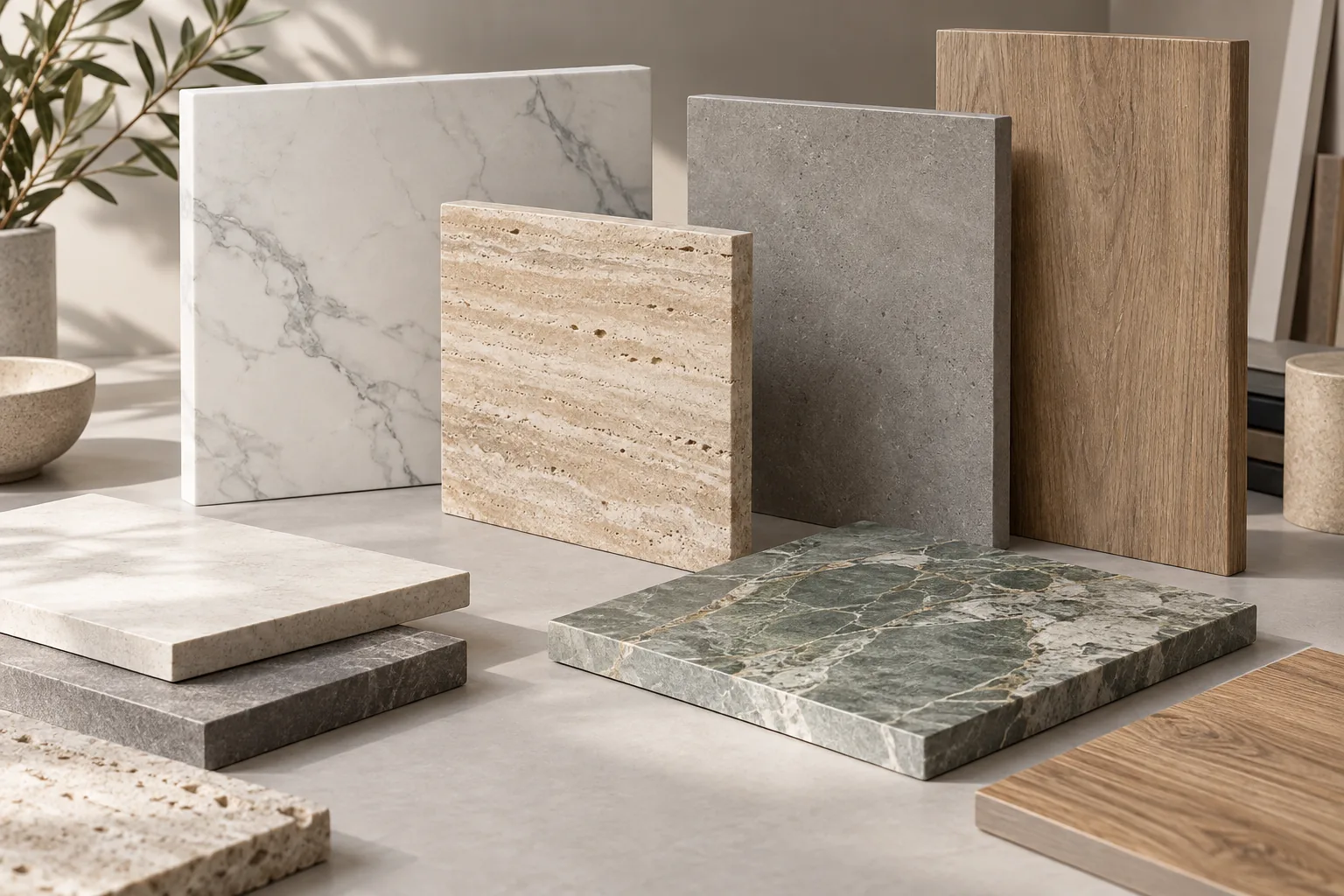
A close-up can show colour and surface character, but it cannot reveal where a dramatic vein crosses a sink opening or meets an island edge. Review the complete face at a known scale. Place the intended finished shape over that image, including any pieces that turn down or continue onto a wall. The result helps distinguish a compelling photograph from a composition that works after cutting.
- Ask for an uncropped full-face image.
- Identify the main view and the direction of adjoining parts.
- Mark features that must remain within the finished panel.
Separate material selection from processing decisions
A full slab enquiry and a finished-component enquiry need different information. For slabs, describe the format, quantity and selected appearance. For processed pieces, add dimensioned drawings, visible edges, cutouts and the intended support assembly. Operations, tolerances and acceptance criteria must be reviewed for the chosen product; a collection photograph does not establish the scope of fabrication.
- List full slabs and fabricated parts separately.
- Show corners, openings and visible faces on drawings.
- Assign responsibility for installation and local site measurements.
Develop a range your customers can understand
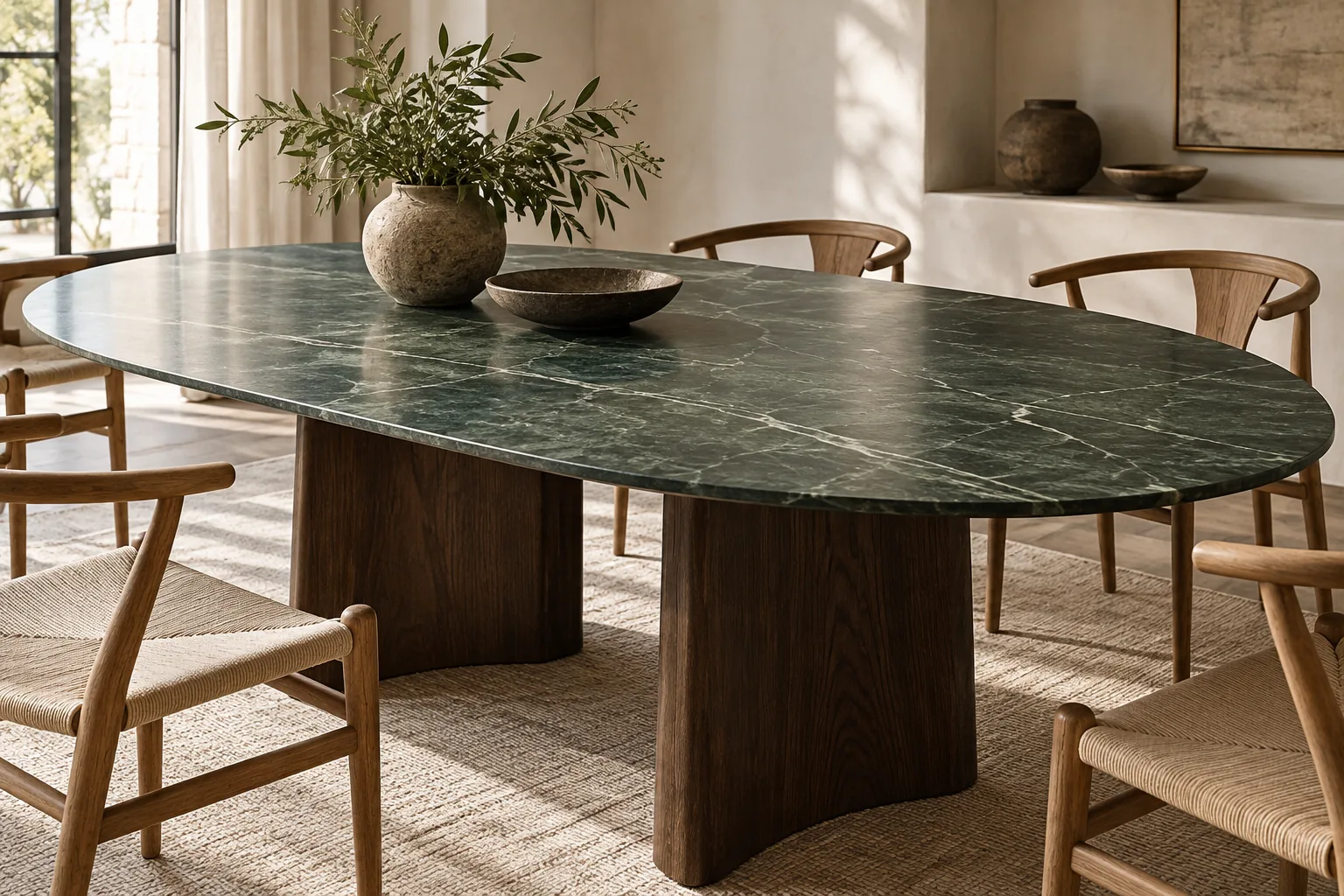
For a distributor, a useful collection can include quiet base colours, a recognisable mineral option and a small number of expressive surfaces. For a fabricator, the priority may instead be pattern placement and repeatable part identification. Record the reason each model belongs in the shortlist so an attractive design does not become an unrelated addition to the range.
- Group shortlisted models by customer need.
- Keep sample references tied to the selected design.
- Discuss alternatives when the preferred combination is unavailable.
MATERIAL EDIT
Build a slab programme, not just a colour list · Selection notes
| Decision | Review | Record |
|---|---|---|
| Full-face view | Pattern at finished scale | Approved orientation |
| Fabricated component | Drawing and edge detail | Revision number |
| Range planning | Role within the collection | Shortlist rationale |
Sintered stone
Questions buyers ask
Can the same slab design be used for every finished part?
The visual design can be explored across several parts, but the chosen model, dimensions and assembly must be checked for each use. A wall reference does not approve a countertop detail.
Should I order from a small swatch alone?
Use a swatch to discuss the base colour and finish. For a directional or expressive design, review the full face and cutting layout before deciding how the finished parts should look.
LET’S START A CONVERSATION
Your next project
starts with a surface.
Tell us what you are sourcing. We will help turn your requirements into a clear product enquiry.