
LARGE FORMAT · DESIGN FLEXIBILITY
Stone look · Sintered stone
Stone-look slabs can range from fine mineral clouds to granular or layered compositions. They offer a useful direction when a project needs more depth than a solid colour but less visual emphasis than a dramatic marble vein. Compare the distribution of features across the entire face.

2 matching surfaces
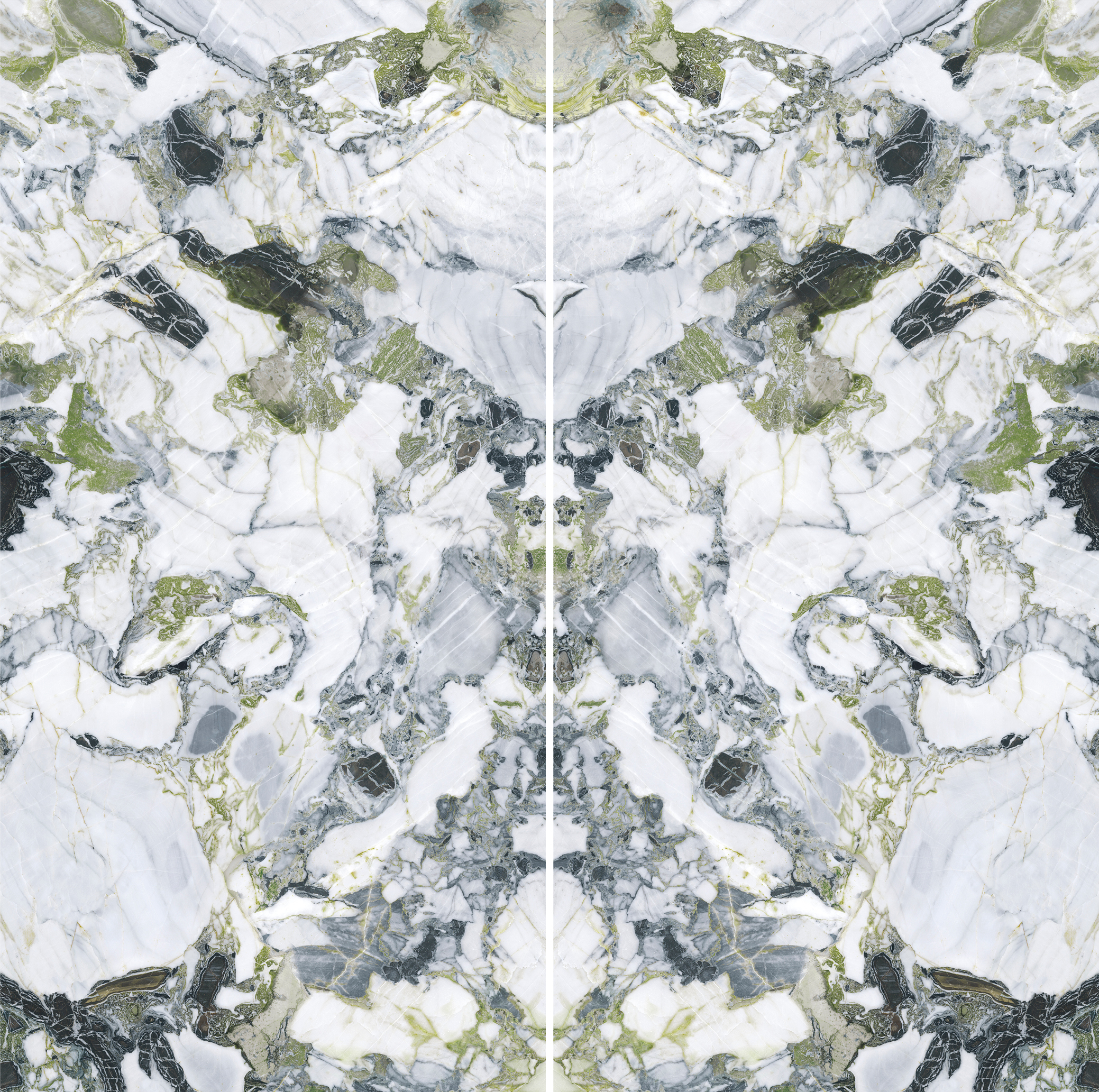
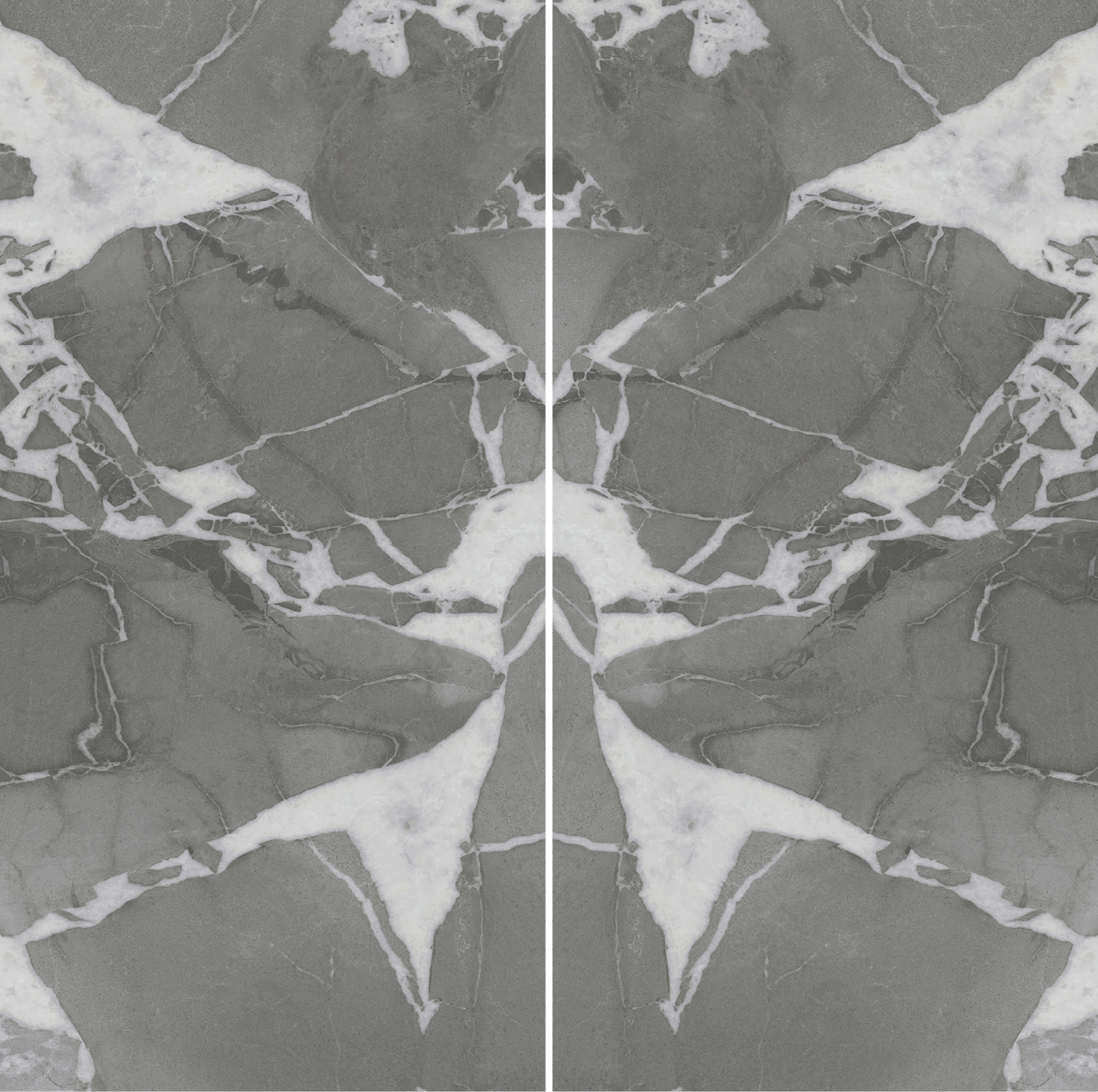
No matching products. Try another search or look.
MATERIAL EDIT
Mineral character without a fixed vein formula
Balance active and quiet areas
A mineral surface may have an active patch beside a quieter field. Decide which area should sit on the principal visible part and which can serve smaller returns. For a group of furniture pieces, review the combined set so one table does not appear unrelated to the others.
- Locate concentrated mineral features.
- Compare the intended parts as a group.
Make the undertone work with the room
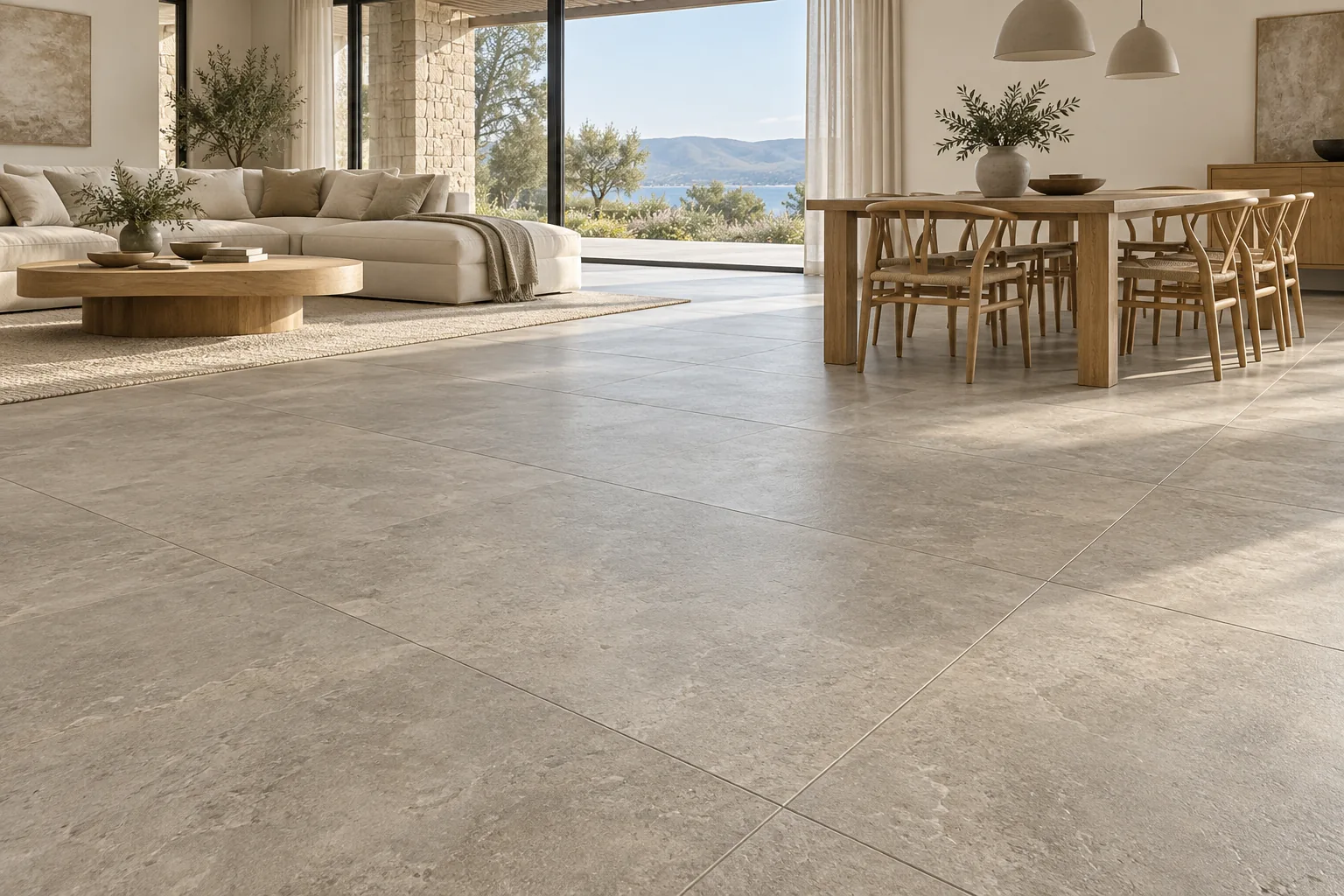
Grey may lean warm, cool or green beside different neighbours. Sand references can shift against timber or painted joinery. Put actual samples together before selecting a contrast, especially where the slab sits directly beside another stone-inspired product.
- Compare under daylight and the proposed lighting.
- Check the joint between different mineral materials.
Build a mineral selection sheet with three different views
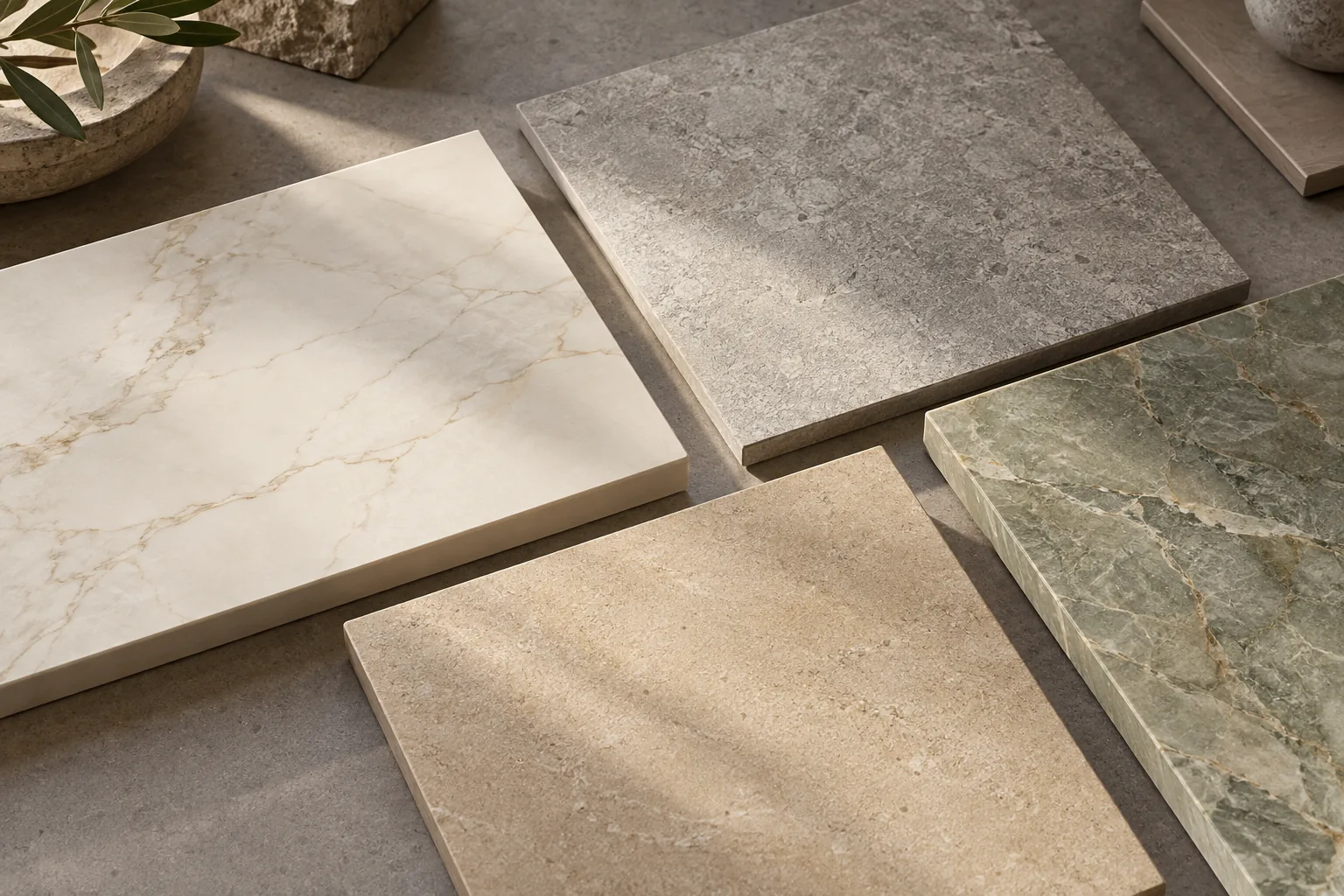
A useful mineral-design sheet can combine an overall face, a close detail and a physical sample reference without asking one image to do every job. The overall view shows the distribution of clouds or grains. The close detail explains how those features are drawn, while the physical reference supports discussion of the actual colour and finish. Label each view so a buyer does not mistake a magnified detail for the scale of the full design. This is particularly helpful when a quiet mineral surface is being compared with a more granular option: similar colour alone can conceal a major difference in the density of the pattern.
- Label overall, detail and sample views separately.
- Keep the magnification clear when showing granular features.
MATERIAL EDIT
Mineral character without a fixed vein formula · Selection notes
| Decision | Review | Record |
|---|---|---|
| Feature distribution | Active and quiet zones | Face map |
| Undertone | Relationship to adjoining material | Sample pairing |
| Furniture set | Consistency between parts | Grouped layout |
Stone look · Sintered stone
Questions buyers ask
Are mineral patterns expected to align at every seam?
Usually the aim needs to be defined: shared tone, shared direction or deliberate feature alignment. Those outcomes require different selection and layout decisions.
Can a stone-look slab be chosen as a neutral background?
Yes as a design direction, provided the full face is quiet enough at the finished scale. A small calm sample may not represent a more active part of the slab.
LET’S START A CONVERSATION
Your next project
starts with a surface.
Tell us what you are sourcing. We will help turn your requirements into a clear product enquiry.