A certificate logo is not enough to establish whether a document applies to a product.
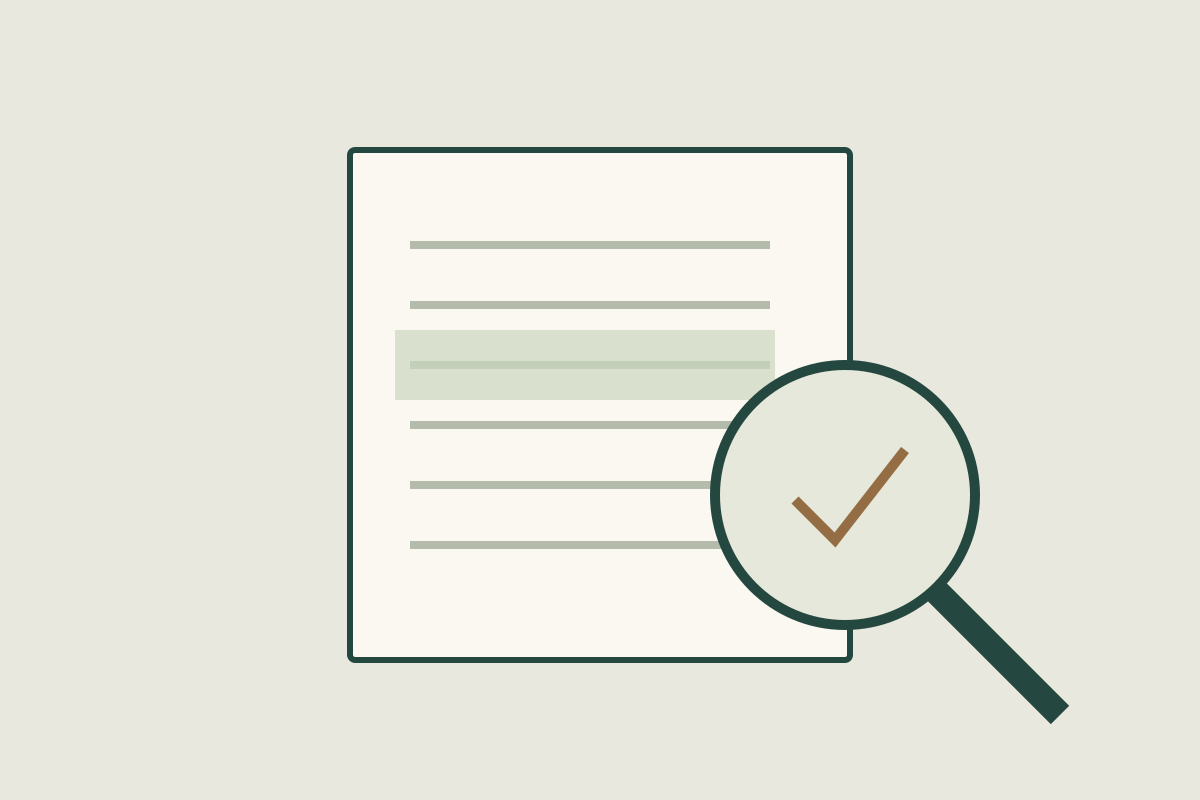
Planning illustration only; not a construction drawing or supporting evidence.
01
Match the identity
Check the report holder, laboratory, tested product description, model and finish. If the supplied model differs, ask for written clarification of the document’s applicability.
02
Read the method and context
Identify the test method, sample condition, reported result and date. The project specification or relevant professional should determine the requirements for the intended use and market.
03
Keep the evidence with the specification
Save the report version alongside the approved model and finish. Review any change in product, production source or surface before assuming the same evidence still applies.
A laboratory value answers the test described in a report. It does not automatically approve every application, finish or installation system. Read the identity, method and conclusion together before using the document in a project submission.
01
Inspect the report as a complete document
Check the page sequence, issue reference and whether the laboratory has supplied a complete report. A cropped table or isolated certificate image can omit sample descriptions, qualifications or conditions. Ask for the underlying document when only a promotional summary is available.
Keep the document filename and issue reference.
Note any amendment or replacement report.
02
Understand the question the test asked
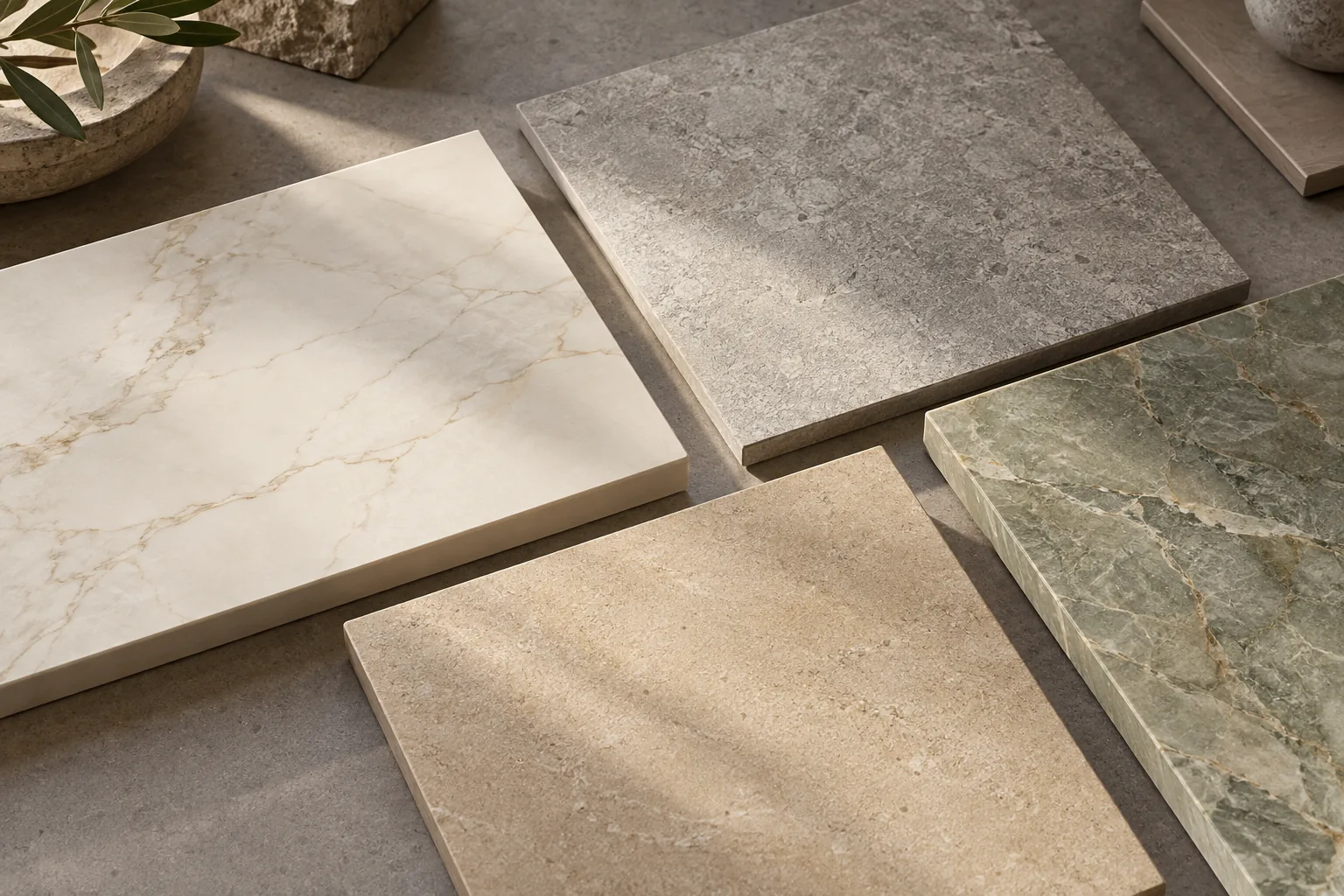
AI-generated design illustration; not a supplied product or completed project.
Look for the method, sample condition, measurement unit and result classification where applicable. Do not convert a test into a broader claim than it supports. For example, water absorption and slip performance concern different properties; one result does not answer the other question.
Ask the project specifier which requirement must be satisfied.
Record when the report uses a different product description.
03
Close the applicability gap
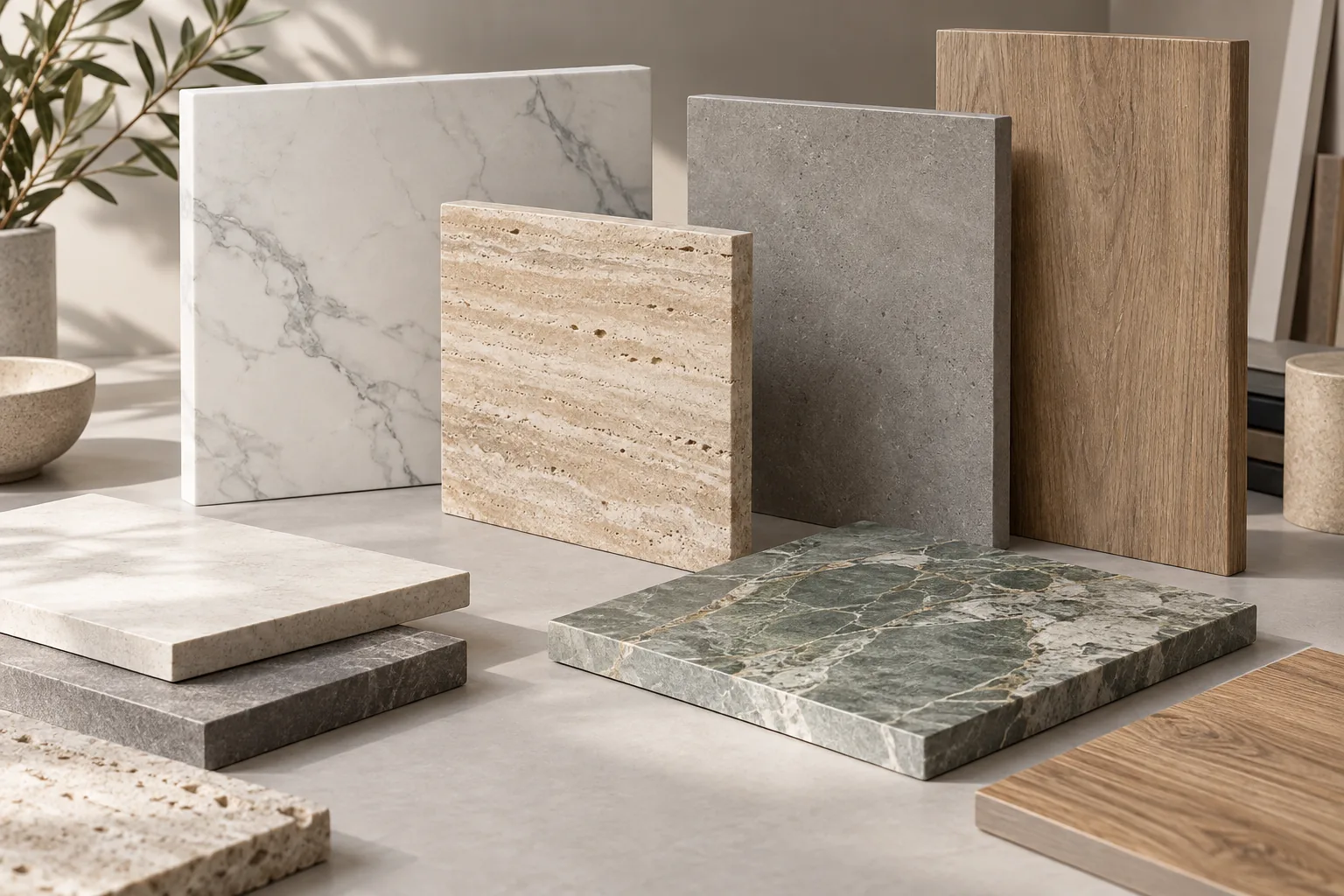
AI-generated design illustration; not a supplied product or completed project.
If the selected model, surface treatment or manufacturing source differs from the tested sample, request clarification of coverage. Keep that response with the report. Where the destination specification requires a particular method or approval route, have the responsible professional confirm whether the evidence meets it.
Identify unresolved exceptions before technical acceptance.
Revisit the evidence after a material substitution.
04
Hypothetical exercise: identify a report that answers the wrong question
AI-generated design illustration; not a supplied product or completed project.
Suppose a buyer is reviewing a textured tile for a wet-area floor. The received document describes a polished model from the same design family and reports water absorption. Three questions now need separate answers: whether the tested model covers the supplied textured version, whether the report’s method is relevant to the requested property, and which evidence addresses the floor’s slip requirement. Do not copy the absorption result into a column labelled “slip approved”, and do not assume a shared design name establishes coverage. Request written clarification of product applicability and the relevant supporting documents. Ask the project specifier to review them against the intended use and local project requirements. Record this as an unresolved technical submission until the appropriate review is complete. The scenario uses invented product descriptions and does not state a test threshold, certify a surface or replace a qualified assessment of the installation.
Separate identity mismatch, missing property evidence and project acceptance into three issue rows.
Keep any applicability clarification attached to the exact report version being reviewed.
A PRACTICAL BUYER’S REFERENCE
Evidence review sequence
Evidence review sequence
Check
Read in the document
Question if unclear
Identity
Tested sample and applicant
Does it cover this supplied model?
Method
Procedure and sample condition
Does it match the project requirement?
Conclusion
Result, unit and qualifications
What claim is justified by this result?
How to review a product test report
Questions buyers ask
Does an impressive test number prove the whole installation is safe?+
No. The substrate, fixing, joints, geometry and installation method may involve separate design requirements. A material report addresses the tested property of the submitted sample.
Can I use another brand’s report for a similar-looking surface?+
Visual similarity is not evidence of equivalent performance. Request documentation applicable to the actual supplied product and have its relevance reviewed.
LET’S START A CONVERSATION
Your next project
starts with a surface.
Tell us what you are sourcing. We will help turn your requirements into a clear product enquiry.