
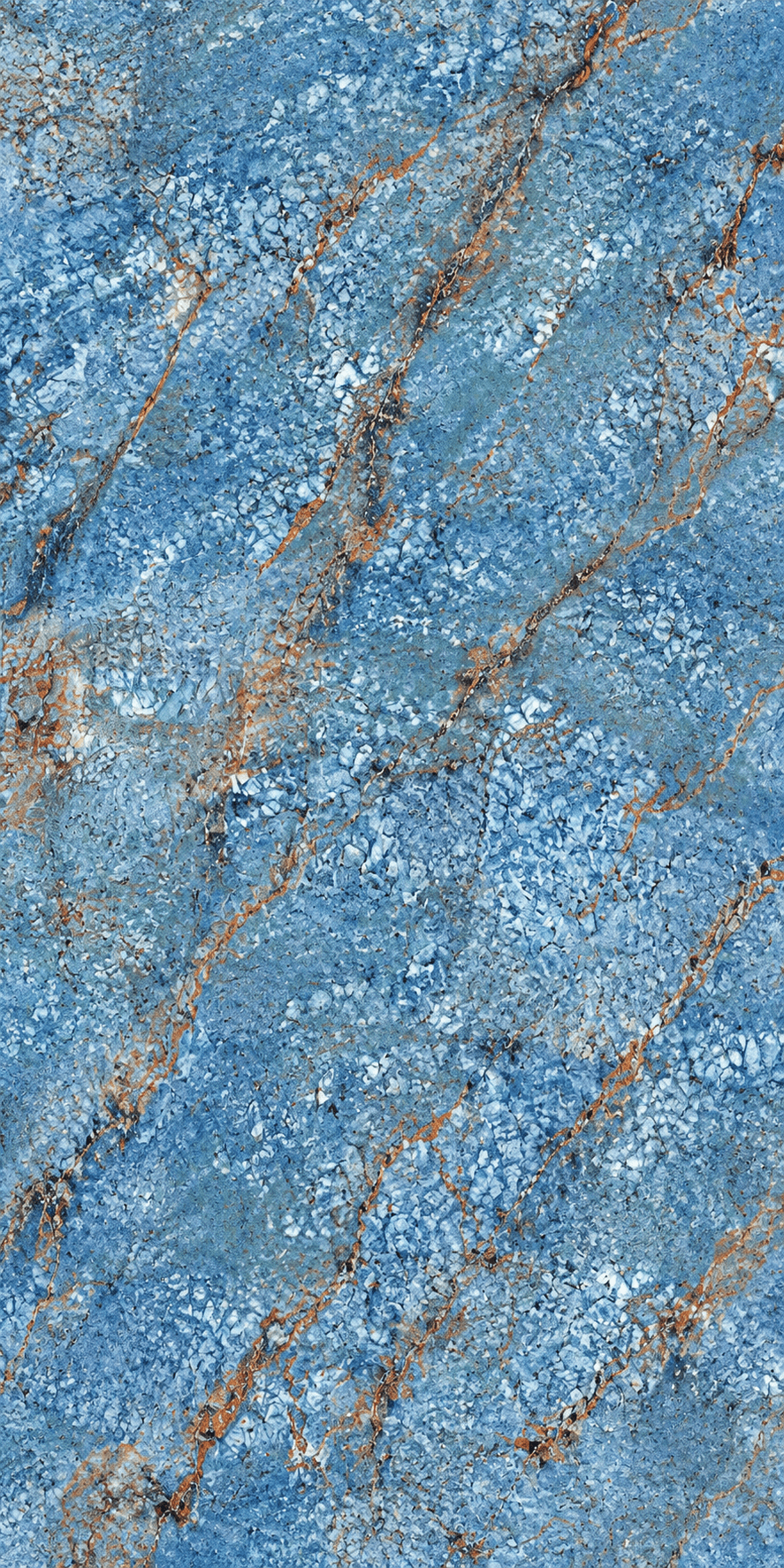


Sintered Stone Kitchen Countertops Installation & Care Guide 2026
In 2026, homeowners and designers are increasingly choosing sintered stone (also known as porcelain slabs) for kitchen countertops. Unlike traditional quartz or granite, sintered stone offers exceptional performance while maintaining beautiful aesthetics. This guide provides practical advice on thickness selection, professional installation, daily cleaning, and long-term maintenance to help you get the most out of your investment.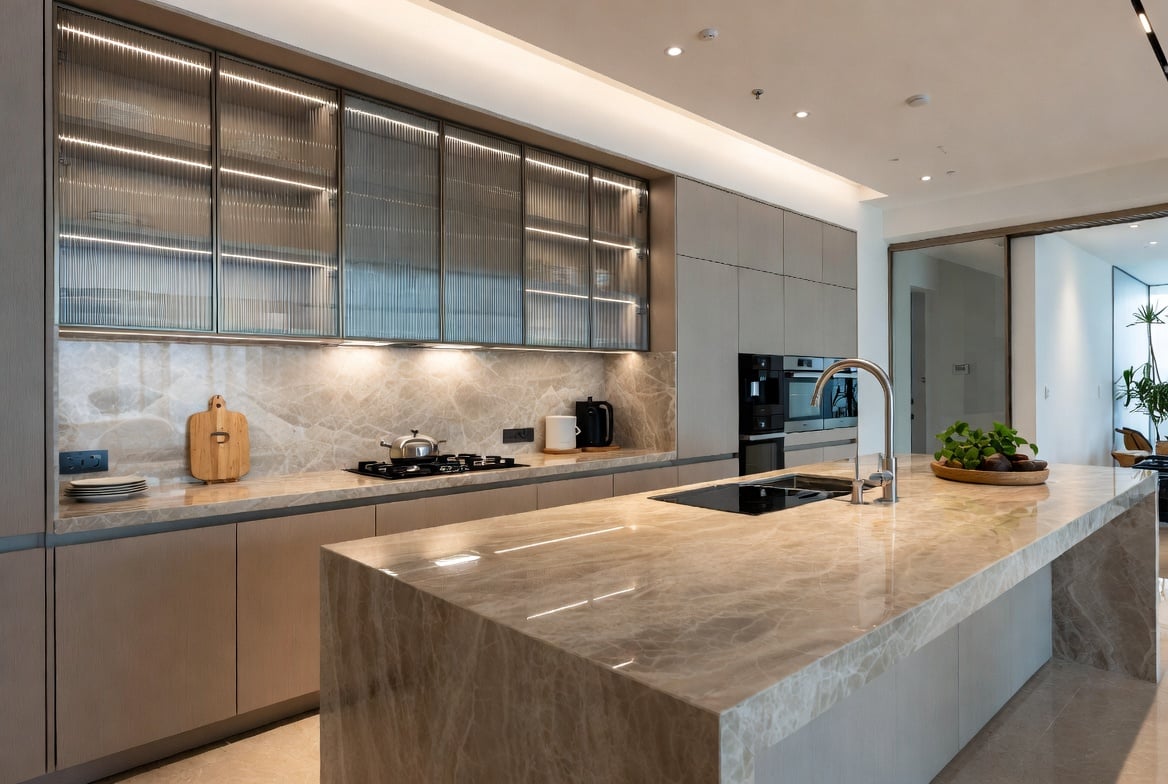
1. Choosing the Right Thickness Thickness is one of the most important decisions when buying sintered stone countertops:
- 12mm: Lightweight and modern, ideal for floating island designs or budget projects. It offers a sleek look but has lower impact resistance.
- 20mm: The most recommended option for most kitchens. It provides excellent balance between strength, weight, and cost.
- 30mm: Premium choice for large kitchen islands or high-end projects. It delivers maximum durability and a luxurious solid feel.
Recommendation: Use 20mm for main countertops and 30mm for islands to create visual contrast and better functionality.
2. Professional Installation Guide Proper installation is critical for long-term performance:
- Ensure cabinet bases are perfectly level.
- Use high-quality adhesive and specialized seam fillers that match the slab color.
- Edge profiles: Choose from straight, beveled, bullnose, or waterfall edges.
- Cutouts for sinks and cooktops must be done with water-cooled CNC machines to prevent micro-cracks.
- Allow 24-48 hours curing time before using the surface.
3. Daily Cleaning and Maintenance One of the biggest advantages of sintered stone is its ease of care:
- Routine cleaning: Use mild soap and a soft microfiber cloth. No special sealers required.
- Stubborn stains: A non-abrasive cleaner or baking soda paste works effectively.
- Heat resistance: Sintered stone can withstand temperatures over 1000°C — you can place hot pans directly on the surface.
- Scratch resistance: While very hard, always use cutting boards for knife work.
4. Long-term Care Tips
- Wipe up spills promptly, especially acidic liquids.
- Clean edges and seams regularly to prevent buildup.
- For matte finishes, occasional use of a pH-neutral protector can maintain the surface appearance.
- Annual professional inspection is recommended for commercial kitchens.
5. Common Problems and Solutions
- Cracking: Almost never happens with proper installation.
- Color variation: Buy all slabs from the same batch.
- Dull spots: Can usually be restored with a polishing compound.
Conclusion Sintered stone kitchen countertops combine beauty, durability, and practicality like no other material in 2026. By following this installation and care guide, your countertops will look stunning for decades with minimal effort.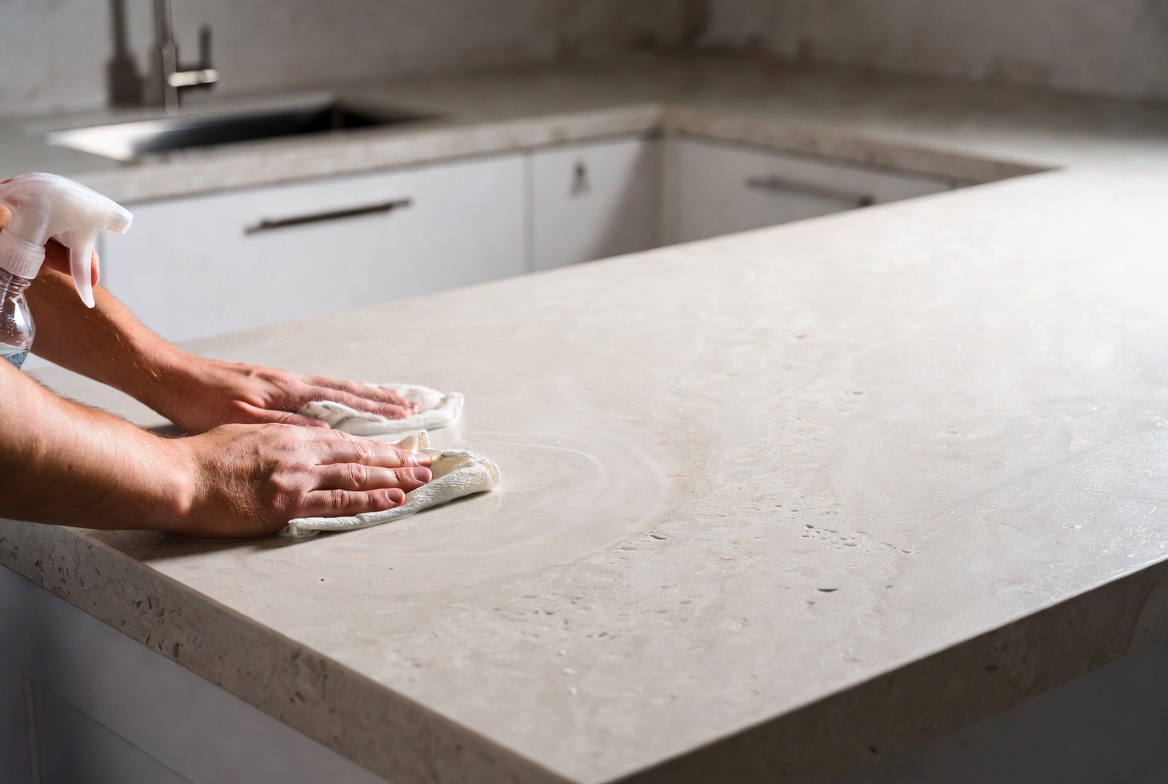
CTA: Ready to upgrade your kitchen with premium sintered stone countertops? Contact us for samples, quotes, and professional installation recommendations.